Cottonwood, AZ · Garage Door Service
In Cottonwood, AZ, severe summer heat and 1960s-70s garage doors don't mix well. Here's what actually goes wrong and what to check before it fails outright.
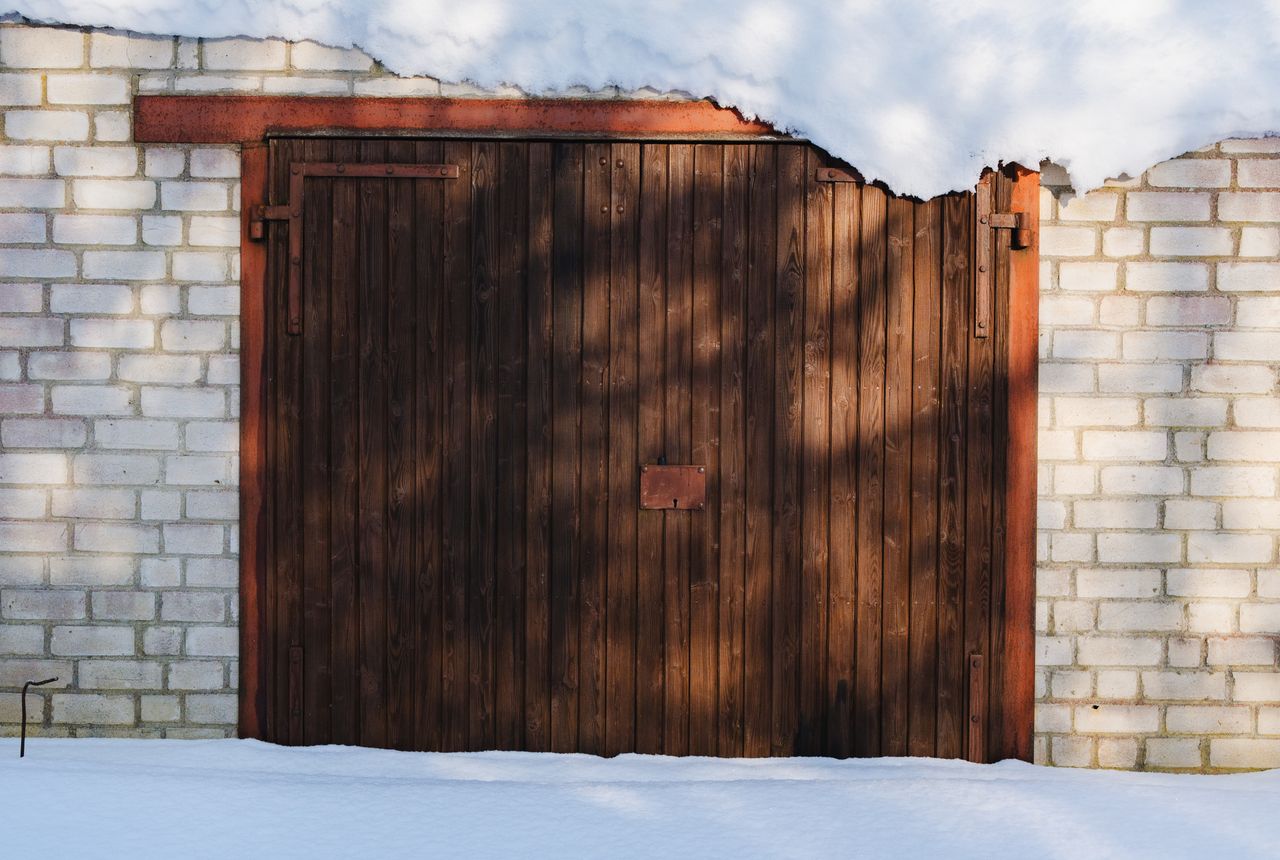
Cottonwood sits in a severe-heat climate band, and that heat does specific things to a garage door that milder towns never deal with. Steel panels expand during the day and contract at night, and over years that cycle works screws loose and bows thin panels at the seams. Grease on rollers and hinges breaks down faster in sustained high heat, so it turns gummy and stops doing its job months before you'd expect on a maintenance sticker written for a cooler climate. Rubber weatherstrip along the bottom and sides dries out and cracks instead of just wearing thin. Torsion springs don't fail because of heat directly, but the metal fatigues faster when it's cycling through big daily temperature swings, especially on a spring that's already older. None of this is dramatic on any single day. It shows up as a door that gets slower, noisier, and harder to open by hand over a season, not as a sudden dead stop. If your door has gotten stiffer or louder since spring, the heat band we sit in is a more likely cause than anything mechanical breaking outright.
A lot of the doors we get called on here went up in the 1960s and 70s, before insulated steel doors were standard and before torsion hardware was built to handle the loads modern doors carry. That combination of an older door and severe summer heat is what actually drives most of our service calls. An uninsulated single-layer panel from that era absorbs and radiates heat straight through, which stresses the opener that's trying to lift it and puts more cycles on a spring that was never rated for today's typical opener horsepower. Photo-eye sensors on openers installed later in these same houses can drift out of alignment as the bracket they're mounted on expands and contracts, which shows up as a door that reverses for no visible reason on the hottest afternoons. Out of 1,242 households in our service area, 321 are owner-occupied houses, and a good share of those are original construction from that same building period, so this isn't an edge case here. It's the normal call.
The most common mistake is treating a garage door here like advice written for a humid or cold climate. People skip lubrication because they assume dry heat means less wear, when it's the opposite: dry heat is exactly what dries out grease and rubber fastest. Others notice a door groaning or dragging and figure it just needs oil, when a spring that's fatigued from years of thermal cycling actually needs replacing, not lubricating. With median household income here at $46,458, we also see people put off a repair until the door won't open at all, which usually turns a $150 fix into a full spring and cable job. And on the original 1960s-70s doors, some owners try to patch a warped panel instead of accepting that a panel that's bowed from decades of heat cycling isn't going to sit flat again no matter how it's shimmed.
Twice a year, run your hand along the weatherstrip at the bottom and sides of the door and check for cracking or stiffness rather than waiting for daylight to show through. Look at the torsion spring above the door for rust spotting or a visible gap between coils, which reads different on an older spring than a new one and is worth knowing before it lets go. Lubricate rollers, hinges, and the torsion shaft with a grease rated for high heat, not a household oil that thins out and drips off in summer. If your opener has started reversing on hot afternoons for no clear reason, check the photo-eye sensors for alignment before assuming the motor is failing. One honest limitation: some springs and track hardware sized for 1960s and 70s doors are no longer stocked in standard sizes, so a repair on an original door can mean a longer parts wait or, past a certain point, a case for replacing the door rather than chasing parts for it. We run service as far out as Chinle, 18 miles from Cottonwood, and the same heat and age pattern holds true out there too.
Heat breaks down the grease on your rollers and torsion shaft faster than it would in a milder climate, and dry conditions crack rubber weatherstrip and seals. That combination is what usually causes the grinding or scraping you notice starting around the hottest months, not a sudden mechanical failure.
It depends on the panel and the spring. If the panel is still flat and the spring is intact, a repair often makes sense. If the panel has bowed from years of heat cycling, or the spring size is obsolete, replacement can end up cheaper than chasing parts for an old door.
The photo-eye sensor brackets can shift slightly as the metal around them expands in the heat, throwing off alignment. Check that the sensors are still pointed straight at each other before assuming the opener motor itself is the problem.
Call now or request a free quote - same-day service on most repairs, upfront written pricing.