Cottonwood, AZ · Garage Door Service
Cottonwood's housing stock dates mostly to the 1960s and 70s, before insulation codes existed. Here's what that means for your garage door in severe summer heat.
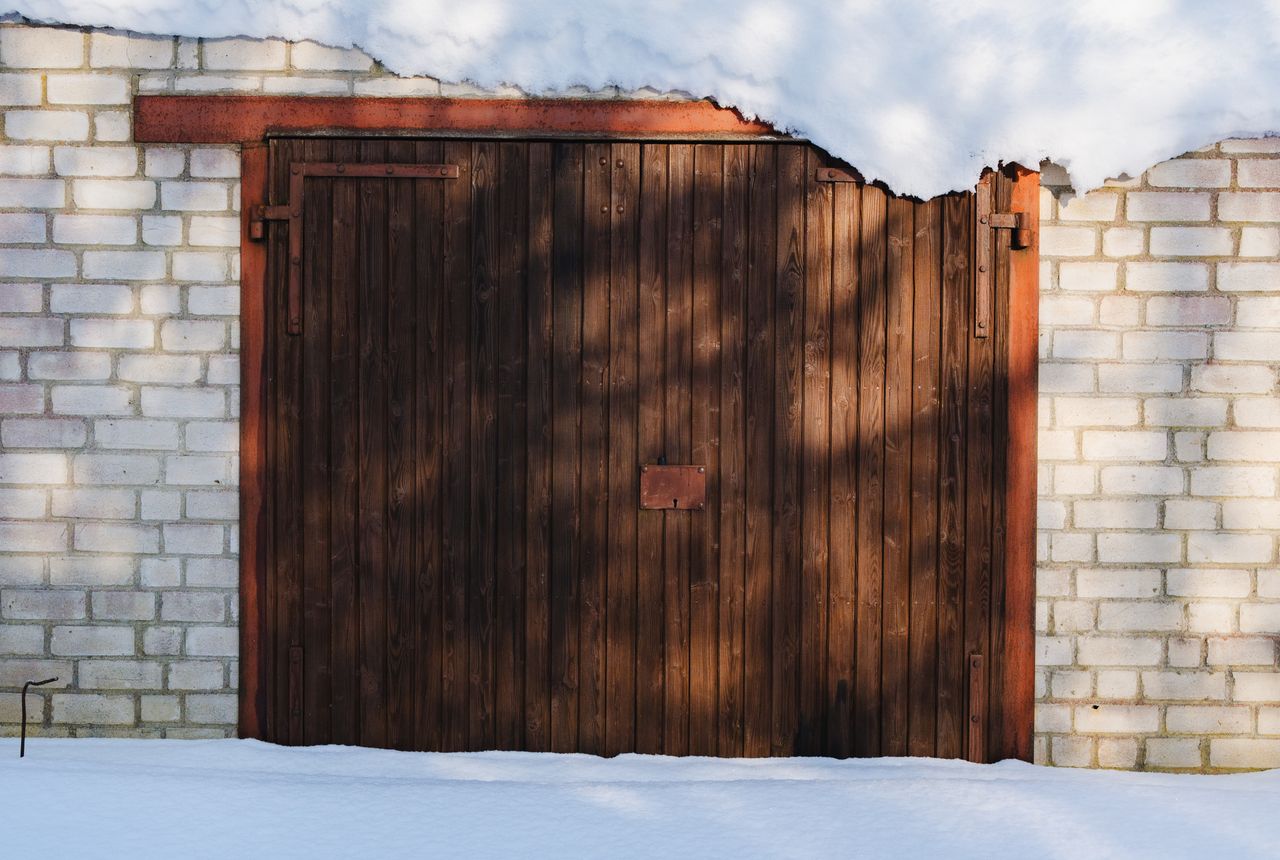
Most of the housing in this service area went up in the 1960s and 70s, before insulation requirements were part of the building code. That matters more here than in a lot of places because the climate band this area sits in is rated severe heat. A garage door built to no insulation standard, on a house from that era, spends every summer afternoon soaking up heat and passing it straight into the garage - and often into the room next to it.
We're not talking about a design flaw. Those doors did what they were built to do, on the code that existed when they went in. The problem is time. Steel skins flex more after 50-plus years of heat cycling, weatherstripping that was never rated for this kind of sun exposure dries out and cracks, and the single layer of steel on an uninsulated panel does nothing to slow down heat transfer either direction. If your door was original to a house built in that window, it's carrying decades of thermal stress it wasn't spec'd for.
Across the roughly 1,242 households this area covers, about 321 are owner-occupied houses - a meaningful share of them sitting on that same 1960s-70s stock. What we see in these houses, over and over, is the same pattern: an uninsulated single-layer panel door, original hardware, and a garage that runs 15 to 20 degrees hotter than the outside air on a bad summer day.
That heat doesn't stay in the garage. It works on the springs, the opener's internal gears and belt, and the lubricant in the rollers. Grease that's rated for moderate climates breaks down faster under sustained severe heat, which means rollers run drier and louder, and torsion springs lose tension sooner than they would in a milder zone. None of this shows up as a single dramatic failure. It shows up as a door that gets slower, noisier, and harder to open by hand over a few summers - which is usually when we get the call.
The mistake we see most is treating a heat-worn door like a cosmetic problem. Somebody notices the door is louder or slower and figures it needs oil, so they spray whatever's in the garage on the tracks and call it done. That buys a week, maybe a month, in this heat band. It doesn't touch the actual issue, which is usually spring tension that's already dropped or hardware that's expanded and contracted enough times to loosen at the bolts.
The other mistake is cost-driven, and given a median household income of $46,458 in this area, we understand why: people delay a repair because a full insulated replacement door sounds expensive, so they keep patching an original panel that was never built for this climate to begin with. Sometimes that patching is the right call. Sometimes the door has given all it's got and every repair is just delaying a bigger bill. We can't tell you which one applies to your door without looking at it - that's not a line, it's just true.
Start with the panel itself. If it's a single layer of steel with no visible foam or insulation backing, and the house is from that 1960s-70s wave, that's your baseline - it was never built to hold back severe summer heat, and that's not a defect, it's just its age. Press on the panel between the seams; if it flexes noticeably, the steel has thinned or the reinforcement inside has started to give.
Next, check the weatherstripping along the bottom and sides. In this heat band, rubber seals dry out and crack faster than the manuals assume, and a cracked seal lets in more heat than most people expect from a strip that thin. Then listen to the opener under load - a motor working harder than it used to, in a garage that's running hot most of the year, is often the spring losing tension, not the opener failing. If you're about 18 miles from Chinle and comparing notes with someone out there, don't assume the same door will behave the same way; house age and exposure still vary house to house.
If your house is from the 1960s-70s wave common in this area, your door is likely a single uninsulated steel panel. In a climate rated severe for heat, that steel has nothing to slow the transfer, so it heats up fast and holds that heat well into the evening.
Sometimes. Retrofitting insulation panels into an original steel door can help, but if the panel is already flexing or the seams have loosened after decades of heat cycling, you're insulating a door that may not have much life left. We'd want to look at the actual panel condition before recommending either way.
Torsion springs lose tension gradually, and in a severe-heat climate that process runs faster than it would somewhere milder. What feels sudden is usually the last stage of a slow decline - the spring was already weak, and one more hot week finished it.
Call now or request a free quote - same-day service on most repairs, upfront written pricing.