Cottonwood, AZ · Garage Door Service
Cottonwood Garage Door Pros repairs torsion springs, openers, and tracks on the 1960s-70s homes across Cottonwood, AZ, 18 miles from Chinle, in severe heat.
What We Do
From a snapped spring to a full door replacement - one local crew, upfront pricing.
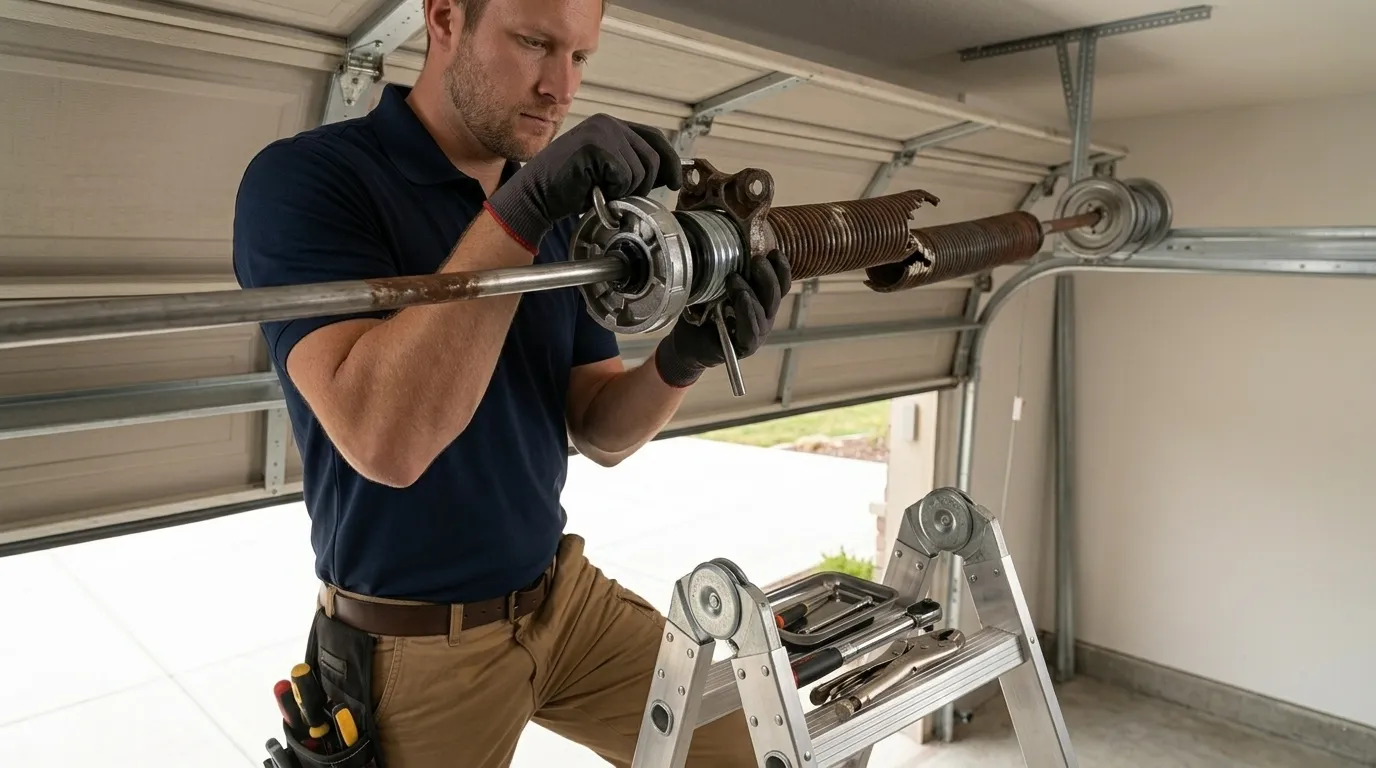
Off-track doors, snapped cables, bent panels and grinding openers - diagnosed and fixed.
Learn more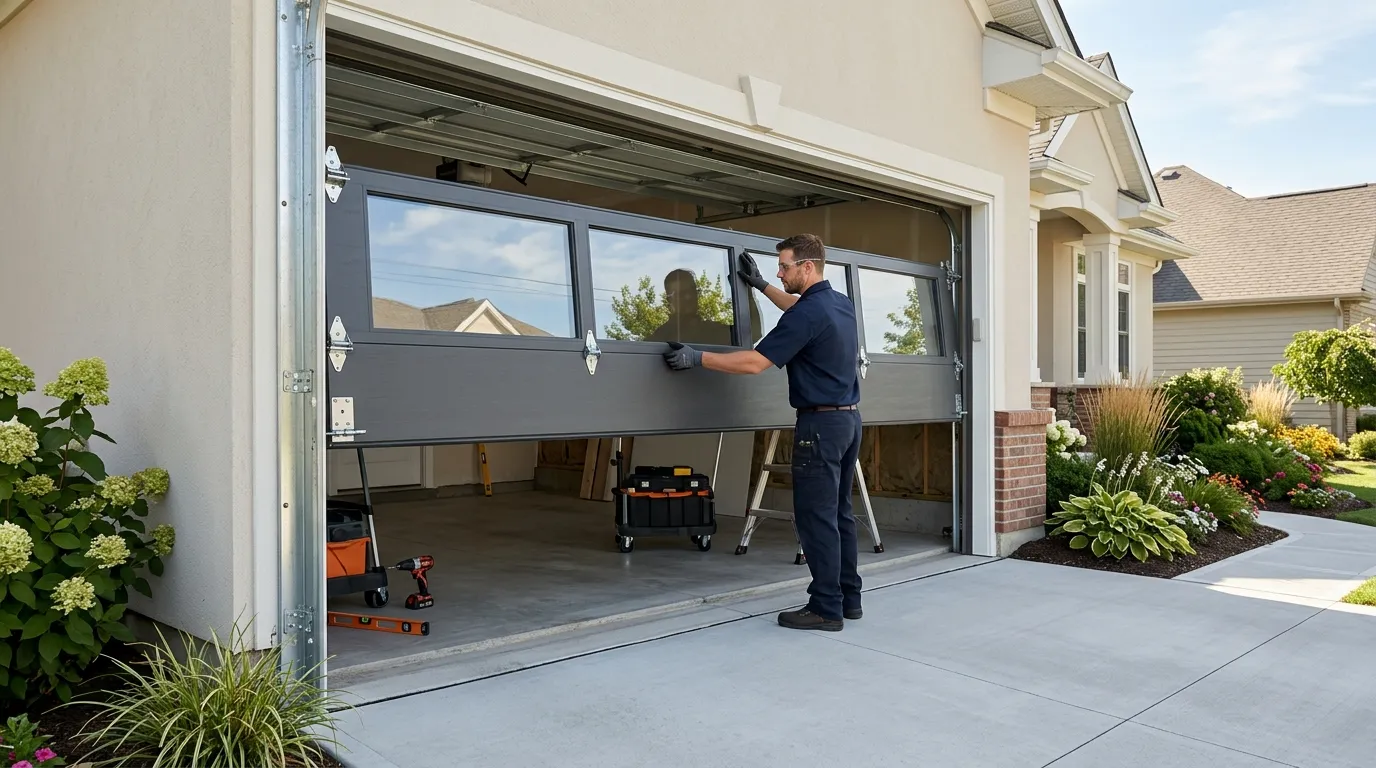
Insulated steel and composite doors sized to your opening and the local heat load.
Learn more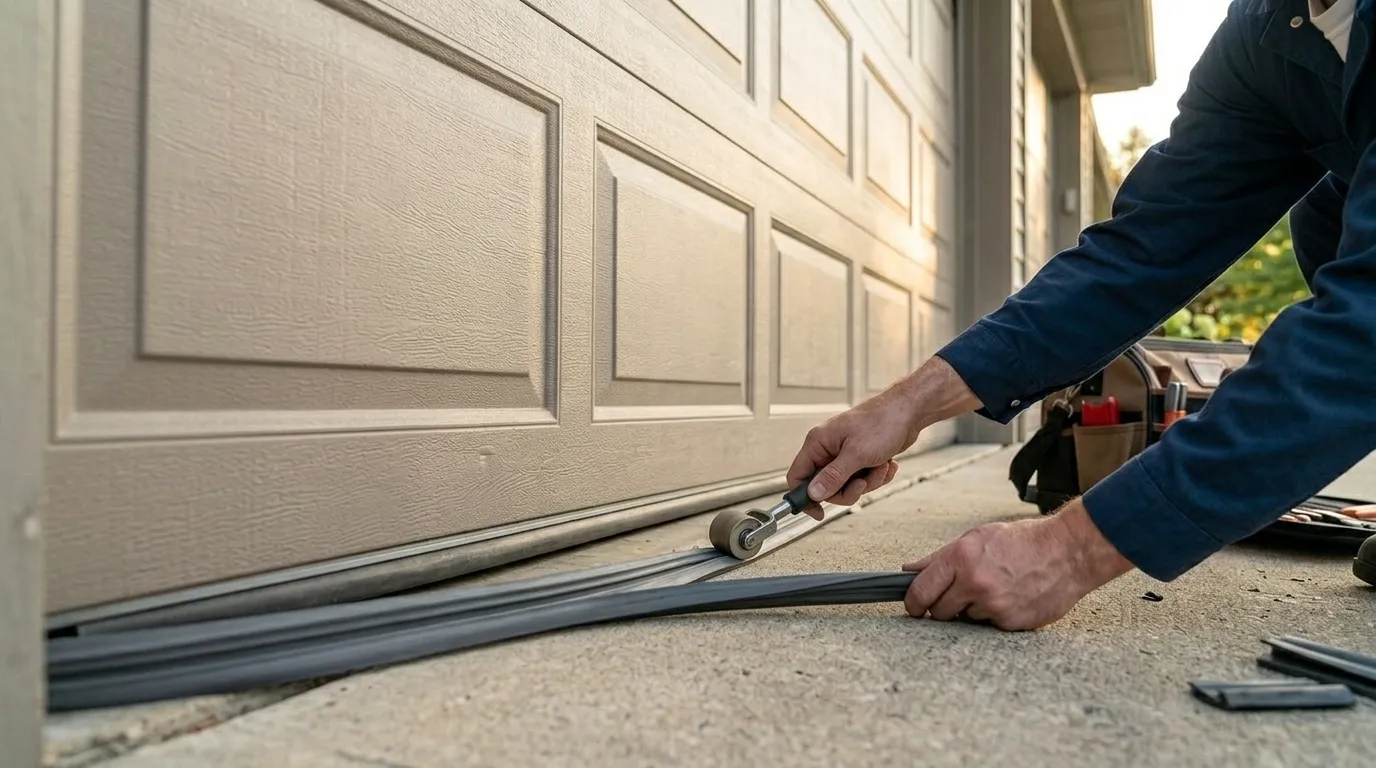
Spring tension, roller and track service that keeps an older door running quiet.
Learn moreFast Response
A stuck or broken garage door can't wait. Call before the afternoon and we can usually be out the same day - most repairs are diagnosed and finished on the first visit, with an upfront price before any work starts.
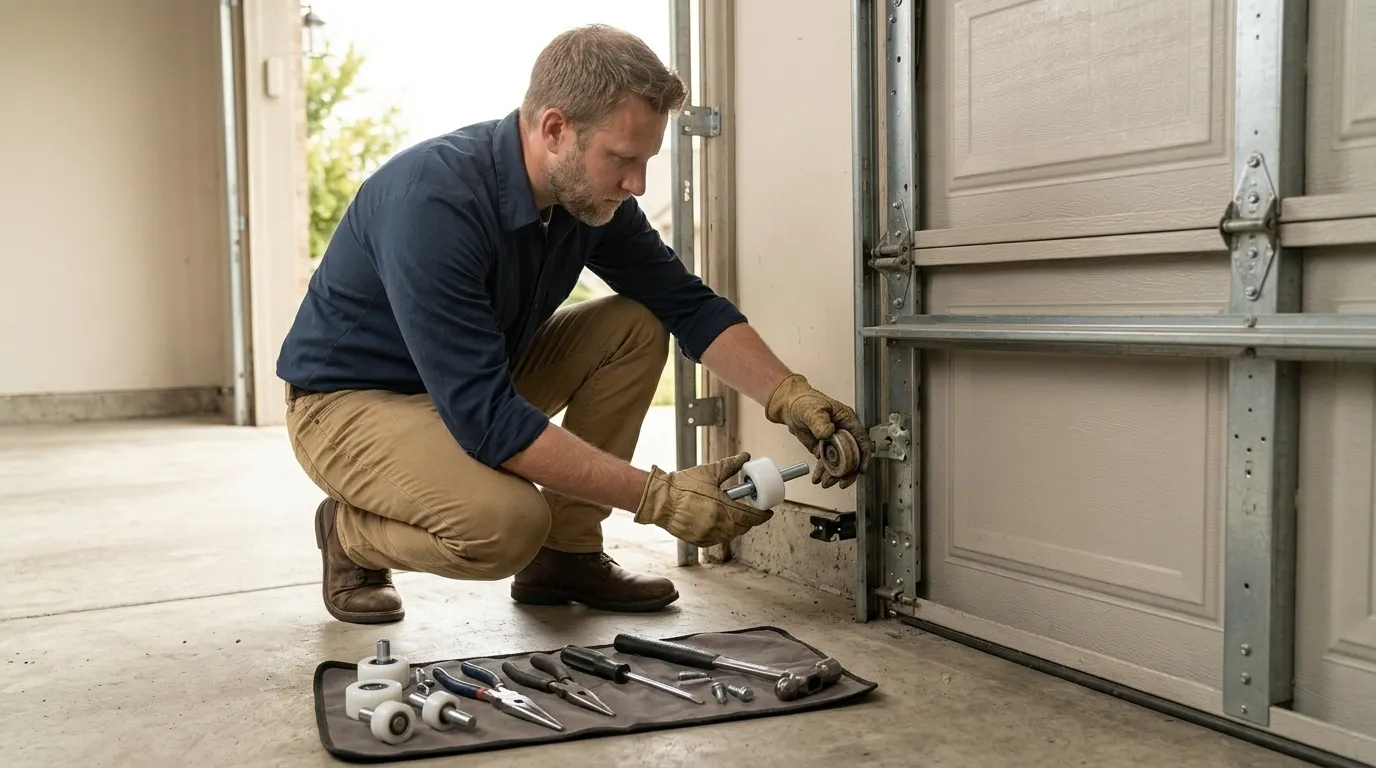 Same-day service
Why Cottonwood Calls Us
Most repair calls are handled the same or next day - springs and openers don't wait.
Trained techs, proper spring tools, and the insurance to back the work.
A written quote at the door before any work starts - no surprise add-ons.
We diagnose the actual cause, not just the symptom, so the door stays fixed.
Fully stocked trucks mean most repairs are finished on the first visit, no second trip.
A Cottonwood-based team you can reach directly, not a national call center.
How It Works
Call or request a quote and describe what the door is doing - noise, off-track, won't open.
A tech inspects the springs, tracks, opener and panels and gives you a written price first.
Most repairs are done on the same visit; installs are scheduled around you.
Our Work
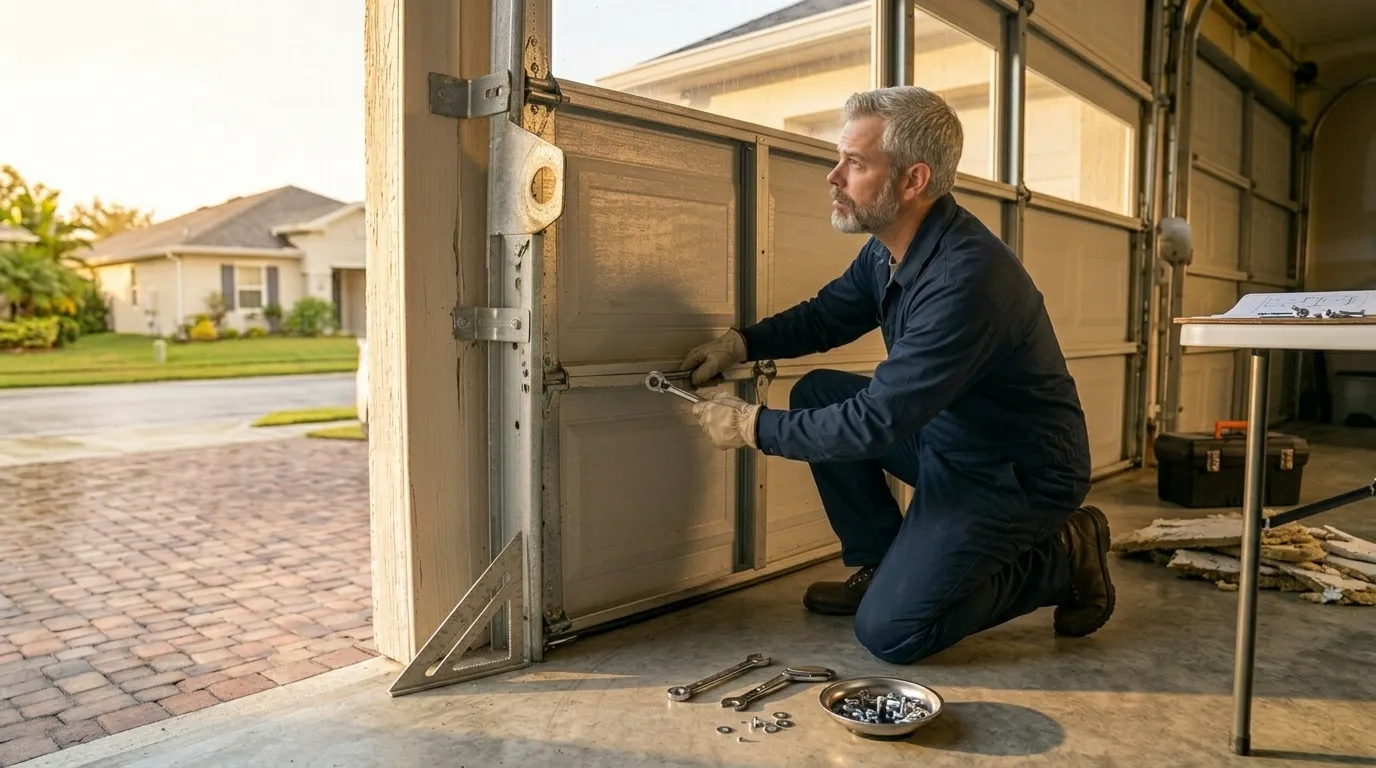
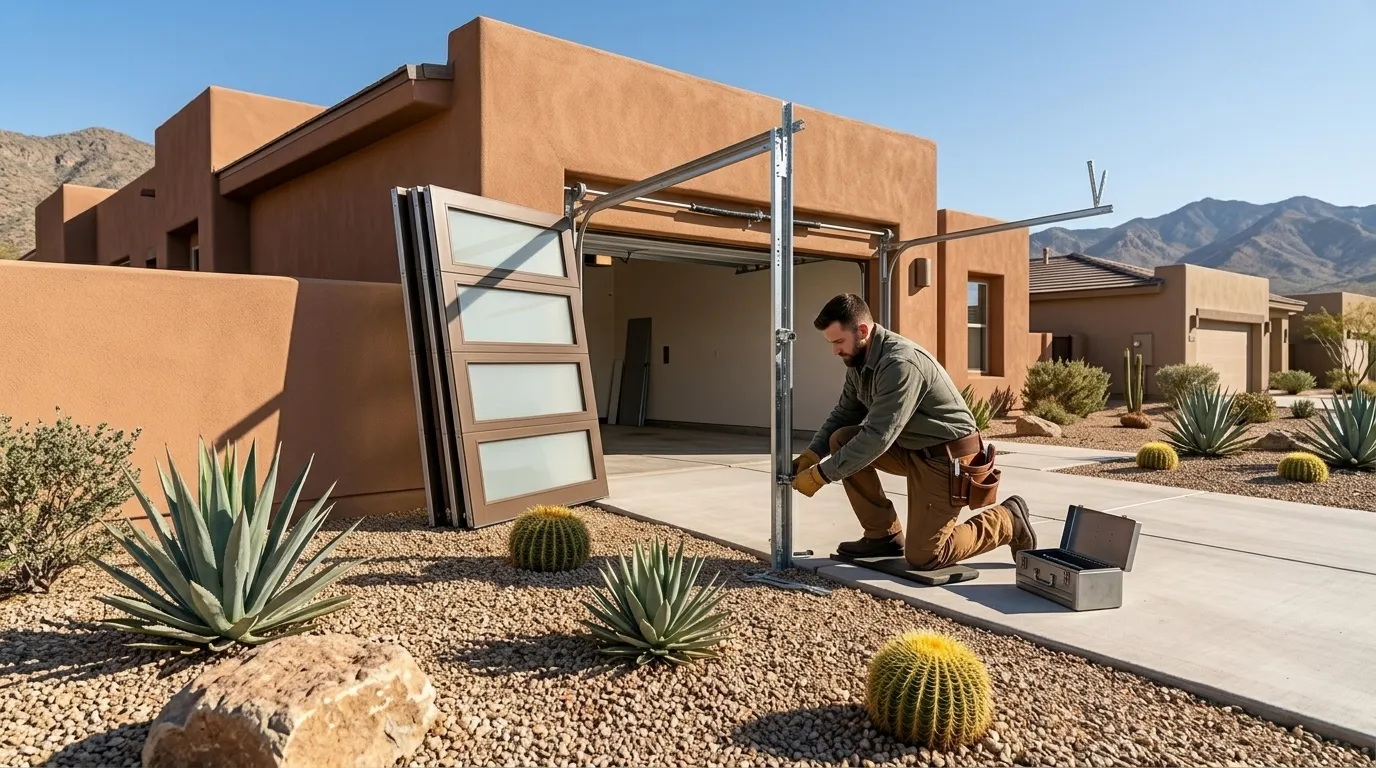
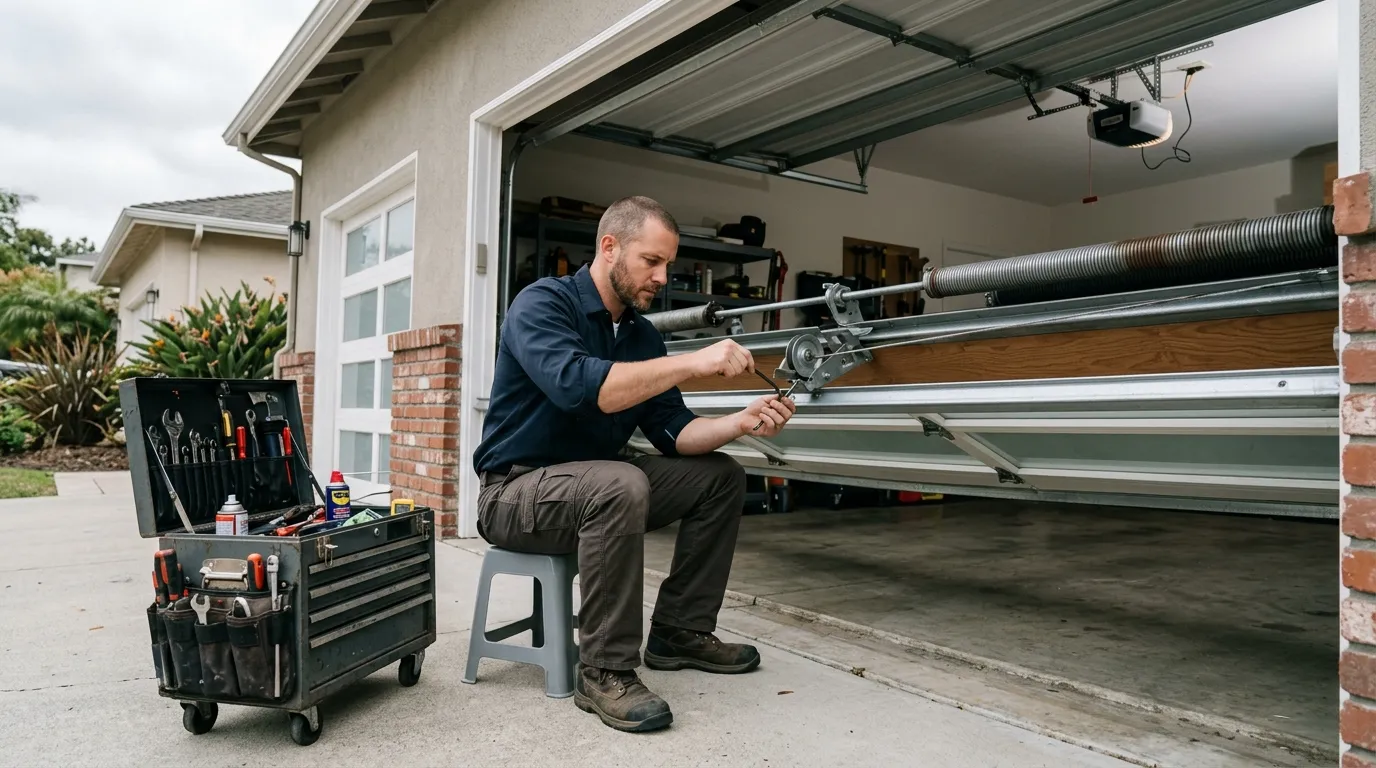
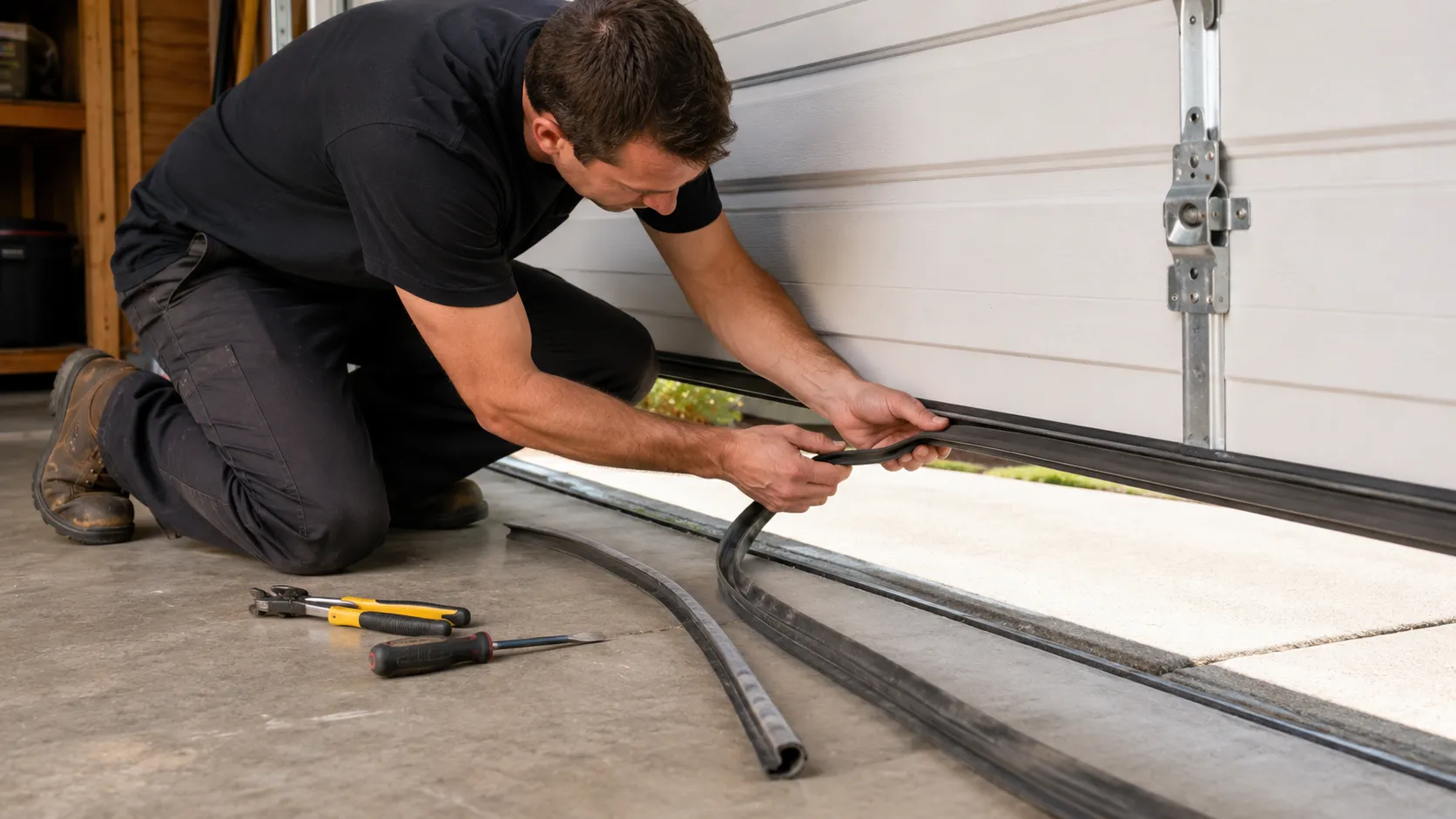
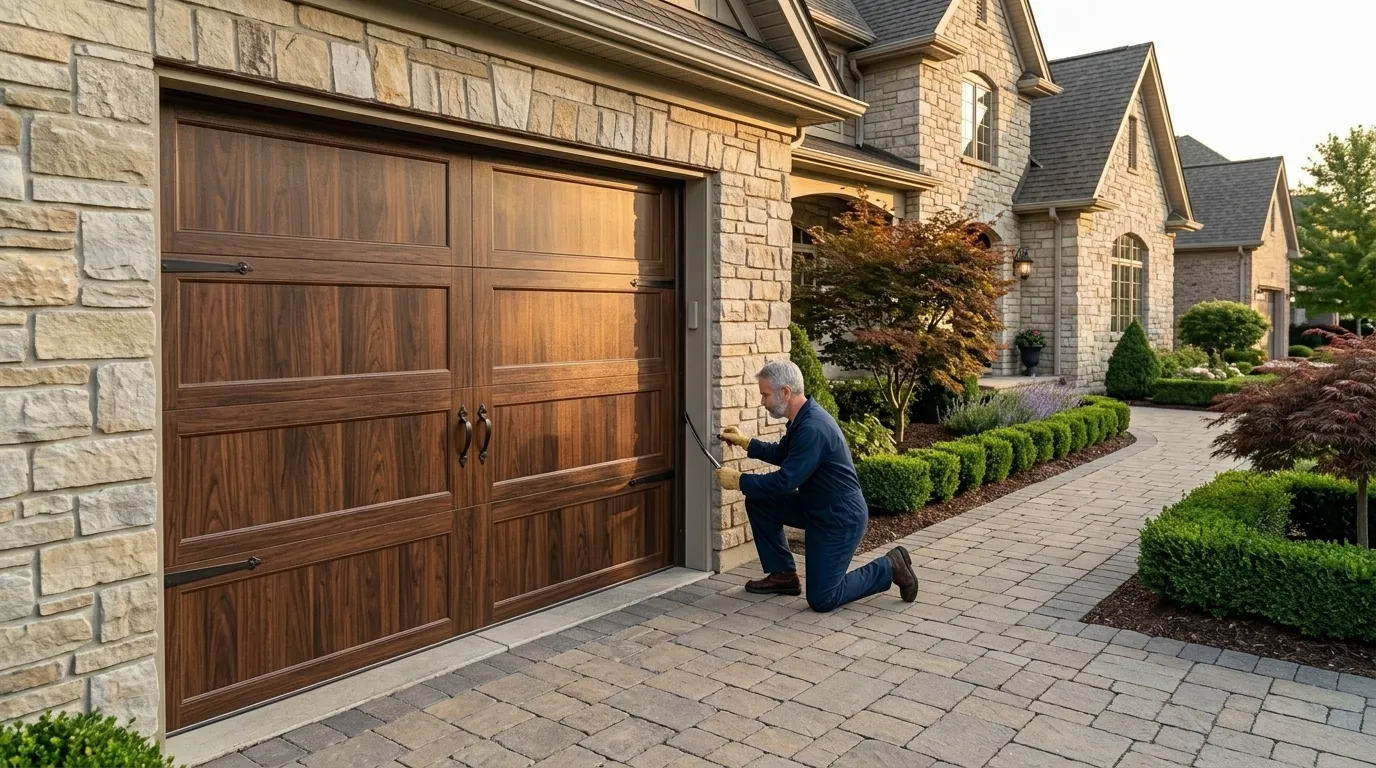
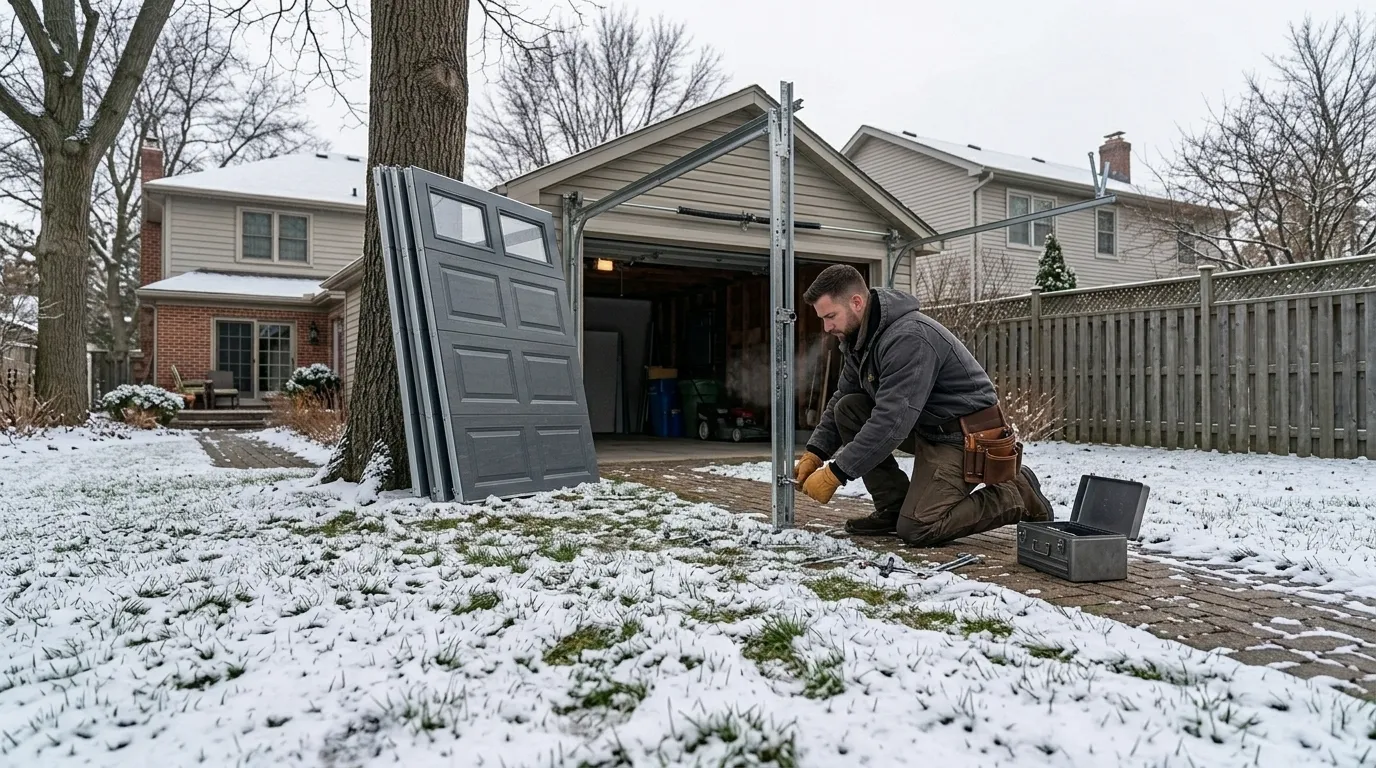
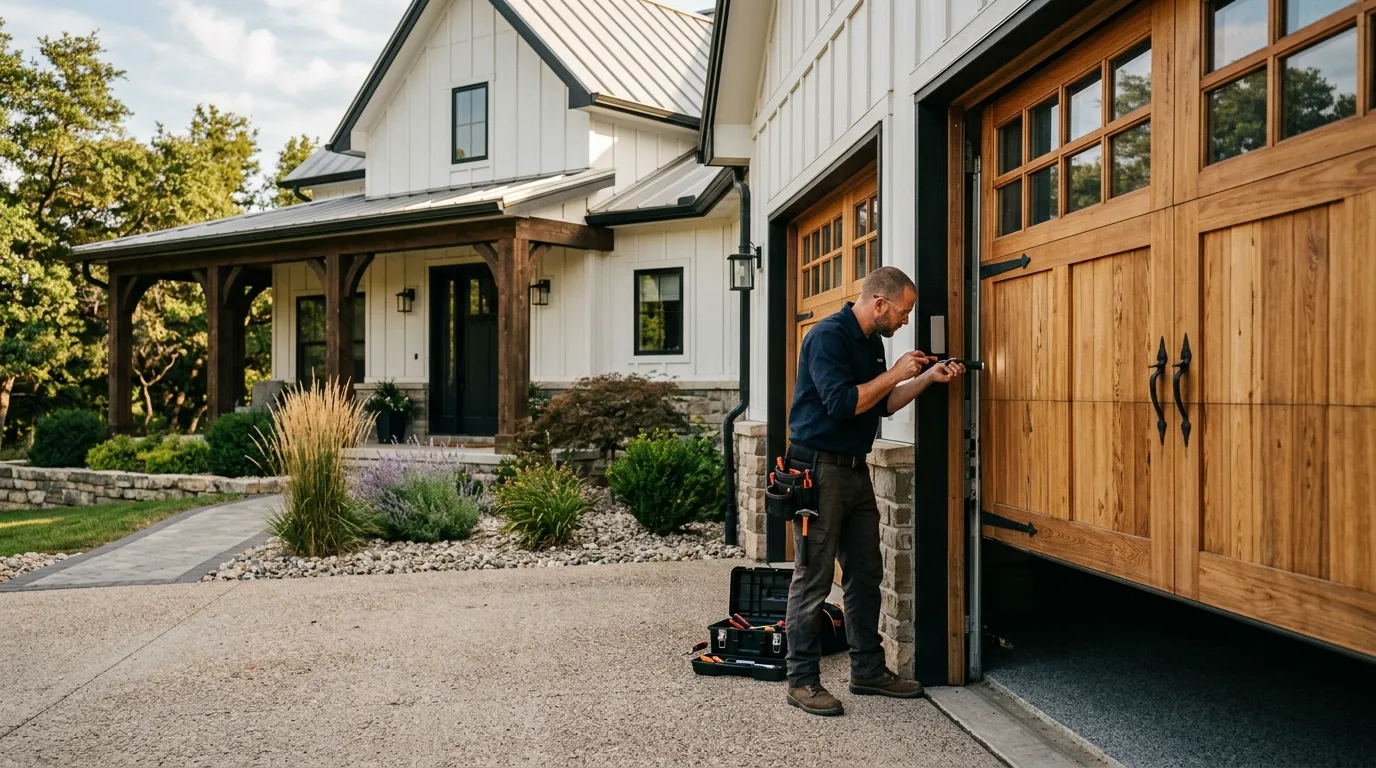
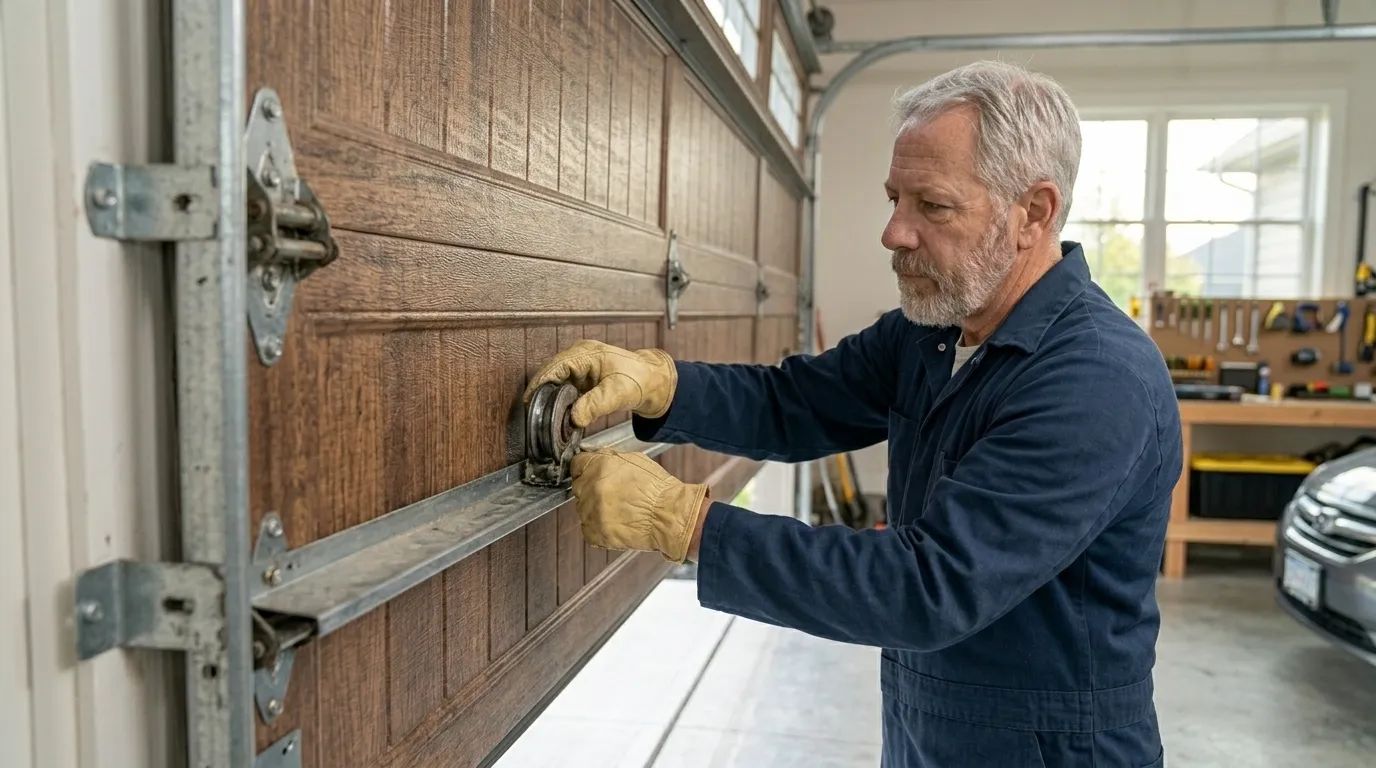
A look at doors, openers and springs we've installed and serviced across the Cottonwood metro.
Where We Work
Neighborhoods across the city and suburbs around the metro. Not sure if we reach you? Just ask.
Local Expertise
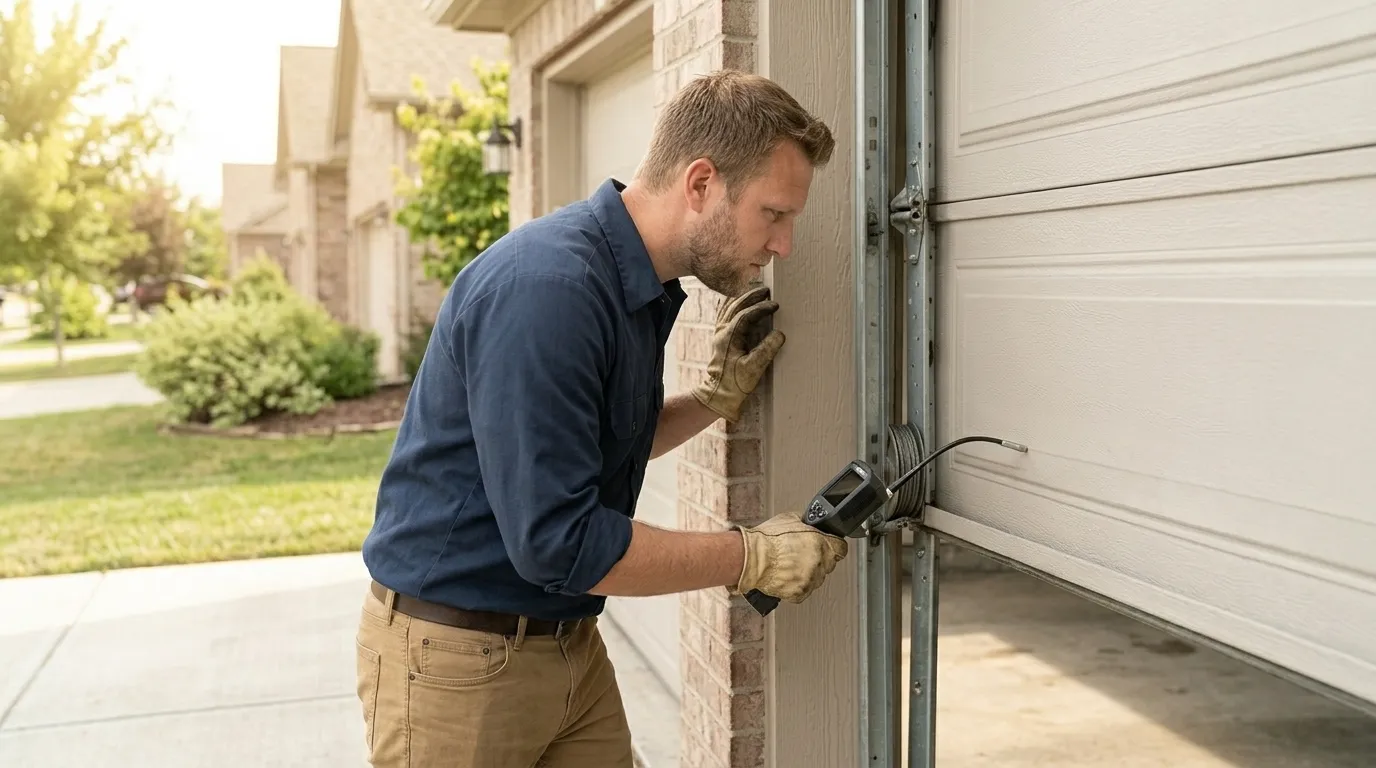
We don't quote a number until we've looked at the door, and that's not a dodge - it's because the two most common jobs here, a broken torsion spring and a worn opener, cost different amounts depending on spring size, door weight, and whether the drum or bearing plate went with it. What we can tell you is how we think about it. At a median household income of $46,458 across this service area, most owners want the repair that actually fixes the problem, not the one that sells the most parts. That usually means fixing the spring or the opener board rather than replacing the whole unit, unless the door itself is failing. We price the job on the truck, in writing, before we touch anything, and we walk you through what's broken and why it broke. If a repair doesn't make sense against the age or condition of the door, we say so instead of doing it anyway. That's the honest limit of what we can promise without seeing your specific door: we can tell you the range of what these jobs usually run, we can't tell you your number over the phone.
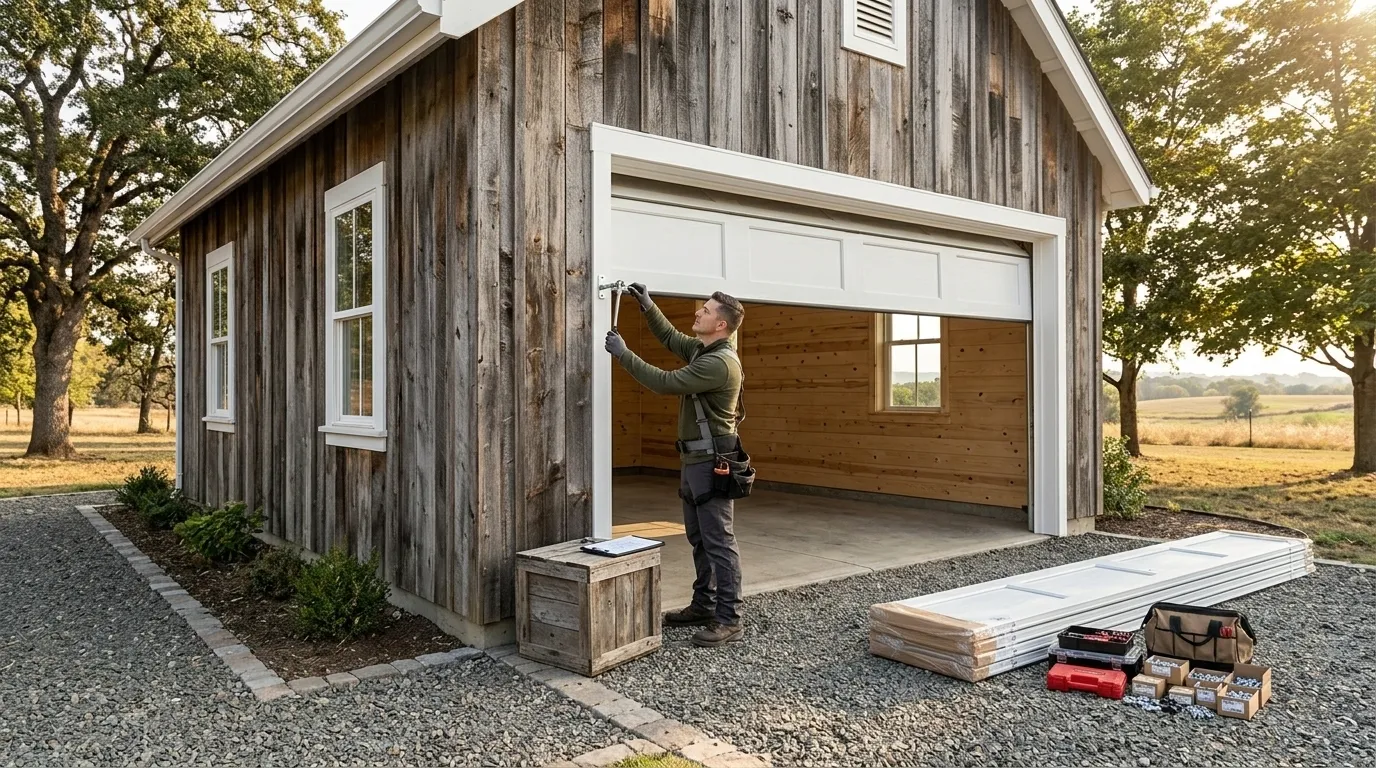
Torsion springs top the list, and it's not close. Summers here sit in the severe heat band, and that kind of sustained heat dries out spring lubricant and stiffens the coil faster than it would in a milder climate - the spring fatigues, the door gets heavy on one side, and eventually it lets go. Right behind that: openers with cooked circuit boards and safety sensors that drift out of alignment as garages heat and cool through the day. Rollers are the third big one. Nylon rollers on original steel doors don't hold up well once they've baked through a few summers, and they start binding in the track long before the spring or opener quits. We also see a fair number of cable and drum issues on doors that have never been serviced, which tracks with a service area where most owner-occupied houses are original to their build and haven't had the hardware touched since it went in. What we don't see much of: fancy insulated doors or smart openers, simply because most of the housing stock here predates them.
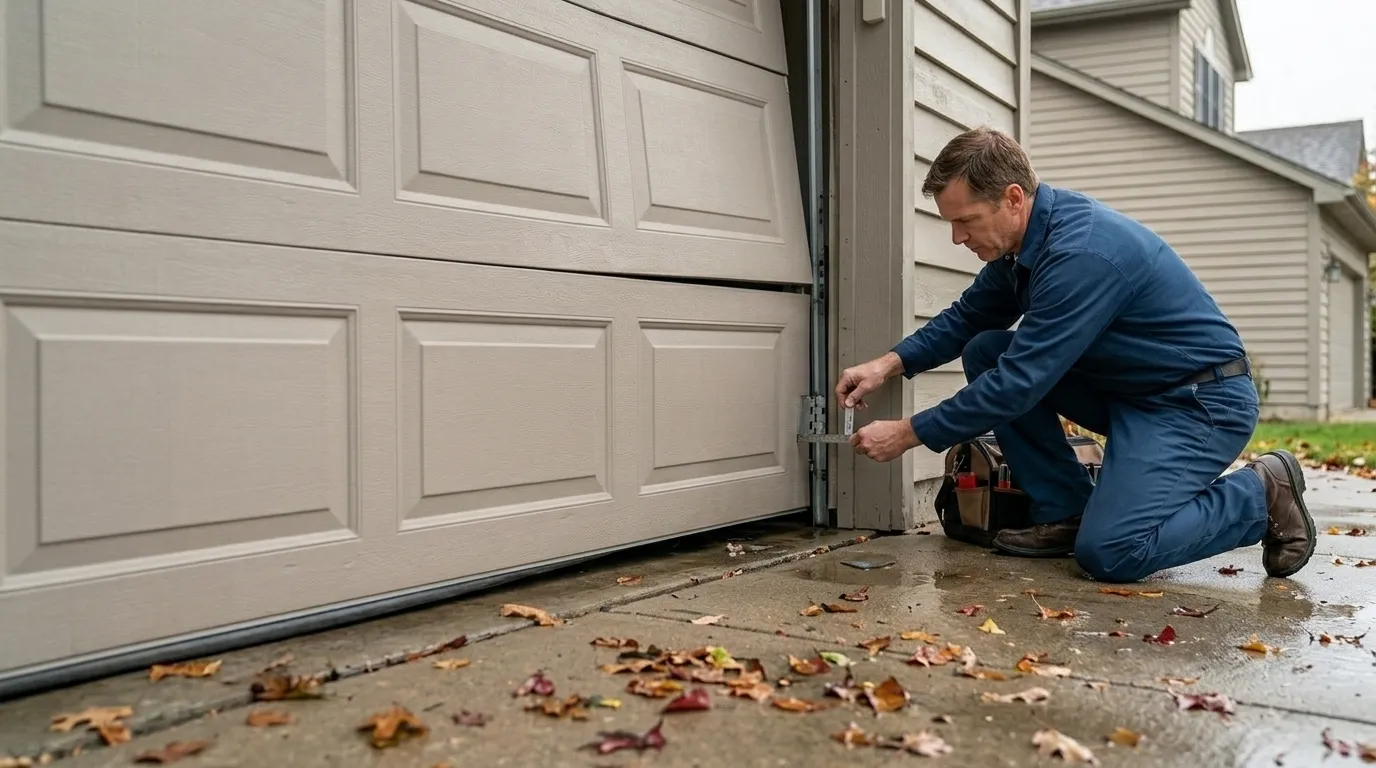
You call, you tell us what the door is doing - won't open, opens crooked, makes a bang, opener runs but nothing moves - and we ask a few questions to figure out if it's a spring, a cable, an opener, or the track. We give you a window for the truck to arrive. On site, the tech looks at the door, tells you what's actually wrong (sometimes it's not what you expected), and gives you a price before starting. If it's a straightforward spring or roller job, it usually gets fixed the same visit. If a part isn't something we carry on the truck - certain opener boards, specific drum sizes - we'll tell you that up front rather than let you wait around for a fix that isn't happening today. We don't upsell a full door when a spring will do, and we don't talk you into a service plan you didn't ask about. The goal of the call is simple: get someone qualified to your door, get an honest answer, and get it working.
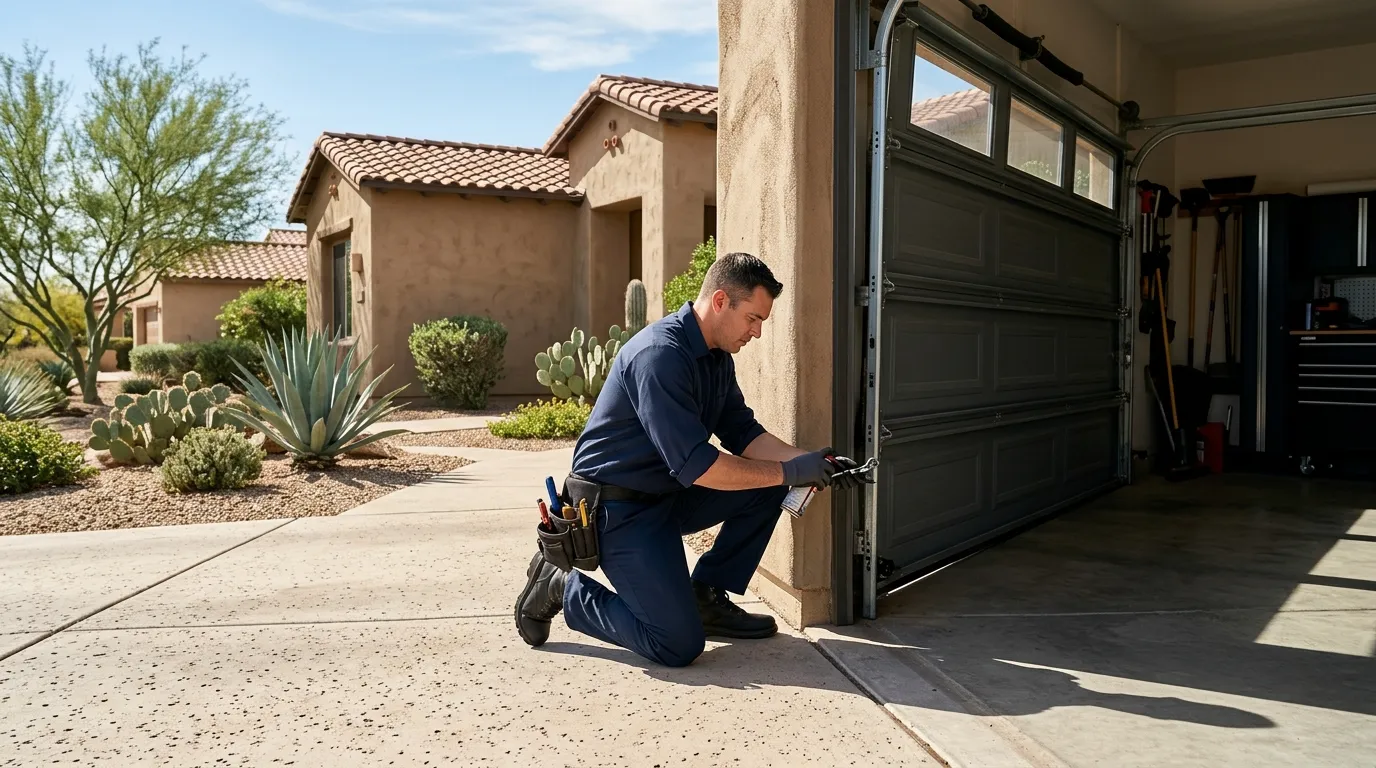
Here's the honest part: not every door is worth repairing again. If a door has had two or three spring replacements already, if the panels are rusted through or dented past square, or if the track has been bent and reset more than once, you're usually better off putting that money toward a new door instead of another patch. We'll tell you when we see that, even though a repair pays us that day too. On houses from the 1960s and 70s stock common across this area, we sometimes find doors that were never a great match for the opener installed later - an old wood door carrying hardware built for something lighter, for instance. In that case, a repair might hold for a while, but it's not really solving the problem. We're not going to talk you out of a repair that makes sense. We are going to tell you plainly when the smarter move is a new door, because chasing the same failure every season isn't saving anyone money.
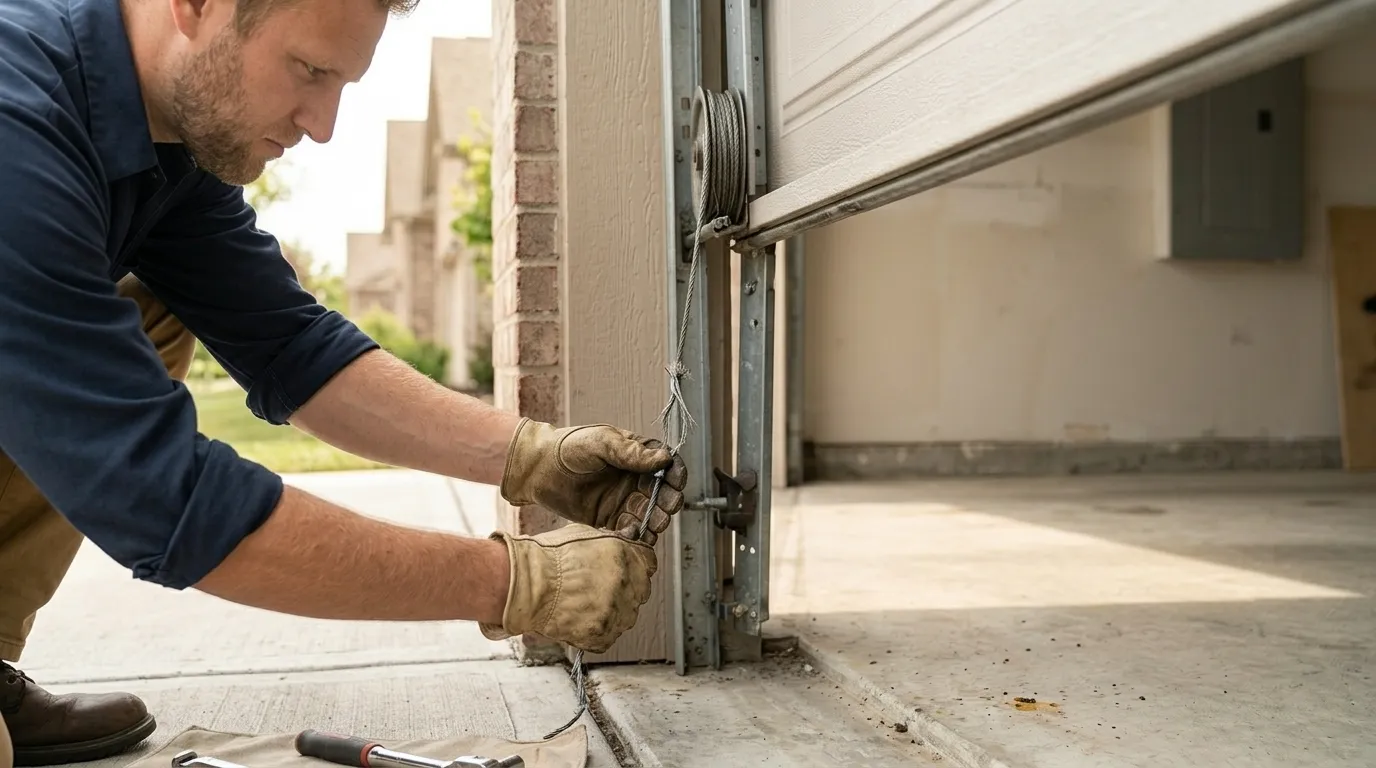
Most of the houses we work on across this area were built in the 1960s and 70s, and that era shows up in the hardware every time we open a garage. A lot of these doors are still running original torsion springs and steel track, sized for a lighter door than what some owners have since put on it. Across the service area there are 1,242 households and 321 owner-occupied houses, and a good share of those are still carrying their original garage door setup, never upgraded, never resized. That matters because parts made for those older door weights and track widths aren't always what's sold off the shelf today - sometimes we're matching an odd spring size instead of grabbing a standard one. Eighteen miles out toward Chinle, you'll find similar-era construction, which tells you this isn't one street's quirk, it's the housing stock for the wider area. If your door still has the same opener it came with, there's a decent chance it's original hardware doing more work than it was built for.
Good to Know
Torsion springs are rated for a set number of open-close cycles, and heat shortens that life. Summers here sit in the severe heat band, and sustained high heat dries out the spring's coating and stiffens the coil faster than in a cooler climate. If you're on your second or third spring in a few years, the spring size or the door weight may be mismatched, and that's worth checking rather than just swapping in another one.
If your house was built in the 1960s or 70s, which describes most of the housing stock across this area, there's a real chance the door and track are original or close to it. Original steel doors from that era often run lighter-duty hardware that doesn't match openers installed later, which is a common source of repeat problems.
We carry the common spring sizes, rollers, and cables that fit most doors from this area's housing stock. Less common opener boards or odd drum sizes sometimes aren't on the truck, and if that's what your door needs, we'll tell you before you're charged a service call for a part we can't install that day.
If a door has needed the same repair more than twice, has rust or dents past square, or the track has been bent and reset before, a new door is usually the better spend. We'll say so on site if that's what we see, even though another patch repair would be an easier sale that day.
Call now or request a free quote - same-day service on most repairs, upfront written pricing.