Cottonwood, AZ · Garage Door Service
Most Cottonwood homes carry 1960s-70s garage door hardware built before severe summer heat became the norm. Here's what's worth repairing and what isn't.
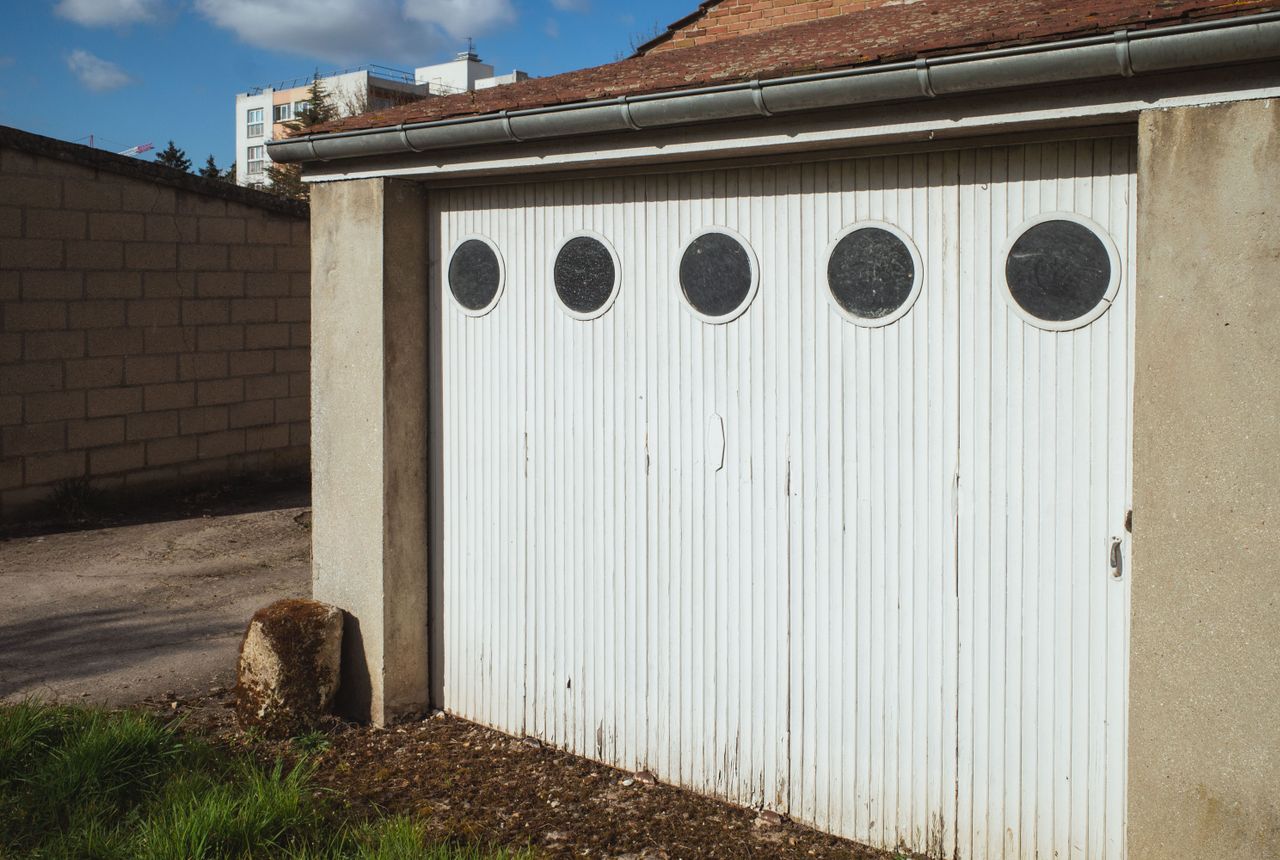
Cottonwood sits in a climate band rated severe for heat, and that changes how a garage door ages compared to a milder region. Heat doesn't just make the garage uncomfortable in July - it works on the door itself. Torsion springs lose temper faster when they cycle through repeated heat expansion and cool-down at night. Nylon rollers crack and go brittle. Opener circuit boards and capacitors, especially on units installed before better heat-rated components became standard, fail years ahead of schedule. Rubber weatherstripping along the bottom panel and sides dries out, shrinks, and stops sealing, which lets in dust and more heat than the door was ever designed to block.
None of this is dramatic. It's slow. A spring that would run another five years in a cooler climate gives out here in three. An opener that would limp along gets a swollen capacitor and starts reversing mid-close. The wear pattern in Cottonwood isn't rust or moisture damage - it's heat fatigue, and it shows up first in the parts that move the most: springs, rollers, and the opener's electronics.
Most of the houses in Cottonwood's service area went up in the 1960s and 70s, and a lot of the garage doors still on those houses are original to that build era or close to it. That means single-layer steel or wood panel doors without foam insulation, torsion or extension spring setups sized for lighter doors than what's sold today, and openers - where they exist at all - that were often added on later rather than installed with the door.
What that means on a service call: hardware that doesn't match modern replacement parts off the shelf, tracks mounted with older bracket styles, and doors heavy enough or light enough that a wrong-size spring swap throws the whole balance off. It's not that the door is bad. It's that it was built for a different set of expectations, and forty-plus years of heat cycling has used up most of what those original parts had left. Fixing it right sometimes means matching old mounting geometry to new spring specs, which takes more than swapping a part number.
Across this service area's 1,242 households, only 321 are owner-occupied houses - a small, mostly older housing base, not a subdivision full of near-identical newer builds. That matters because it means every job is close to a one-off: no two doors on the same street necessarily share hardware, age, or spring type.
With median household income here at $46,458, replacing an entire door isn't a call most owners make lightly, and we don't blame anyone for trying to stretch a repair. The mistake we see is going too far in either direction. Some owners keep re-tensioning a spring that's already stretched past safe limits, which risks a snapped cable or a door that drops. Others replace a whole door and opener when the actual failure was one seized roller or a worn bottom bracket - a fraction of the cost. The honest answer is usually in between, and it takes a look at the actual wear, not a guess over the phone.
Before you decide fix or replace, look at three things. First, the springs: if they're original to a 1960s or 70s install, rust and pitting on the coils plus visible gaps when the door is down are signs the temper is gone, not just the paint. Second, the panels: heat causes warping along the top panel especially, where sun exposure is worst on a west- or south-facing garage - a warp you can see with the door closed usually means the panel, not the whole door, needs replacing. Third, the opener: a unit that reverses without touching anything, or takes two tries to close, often has a heat-damaged capacitor rather than a dead motor.
One limit worth saying plainly: on doors old enough that the track spacing or spring drum no longer matches anything currently manufactured, we sometimes can't source an exact replacement part, and a full door swap becomes the only real option. We'd rather tell you that up front than have you wait on a part that isn't coming. If you want a second set of eyes on any of this, our contact info is on the home page.
Often yes, if the issue is a spring, roller, or bottom bracket rather than a warped panel or a track bent out of shape. Original hardware from that era can usually be matched to a new spring set. Where it breaks down is when the whole frame has shifted or the panel itself is warped from years of heat - at that point patching costs more over time than a new door.
The severe heat rating for this area means opener circuit boards and capacitors take a beating from repeated hot-day, cool-night cycling in an uninsulated garage. Older openers built before heat-rated components were common wear out faster here than the same unit would in a milder climate.
If the house dates to the 1960s or 70s and the spring hasn't been replaced, you'll usually see heavier rust and pitting than a spring installed in the last decade, plus coil spacing that's tighter or looser than modern torsion springs. If you're not sure, it's worth having someone look before you touch it - a failed torsion spring under tension is dangerous.
If only the top panel shows heat warp and the rest of the door still tracks straight, a single panel replacement is usually the cheaper and sufficient fix. Full door replacement makes more sense when the warp affects the frame's fit in the track or when more than one panel shows the same damage.
Call now or request a free quote - same-day service on most repairs, upfront written pricing.