
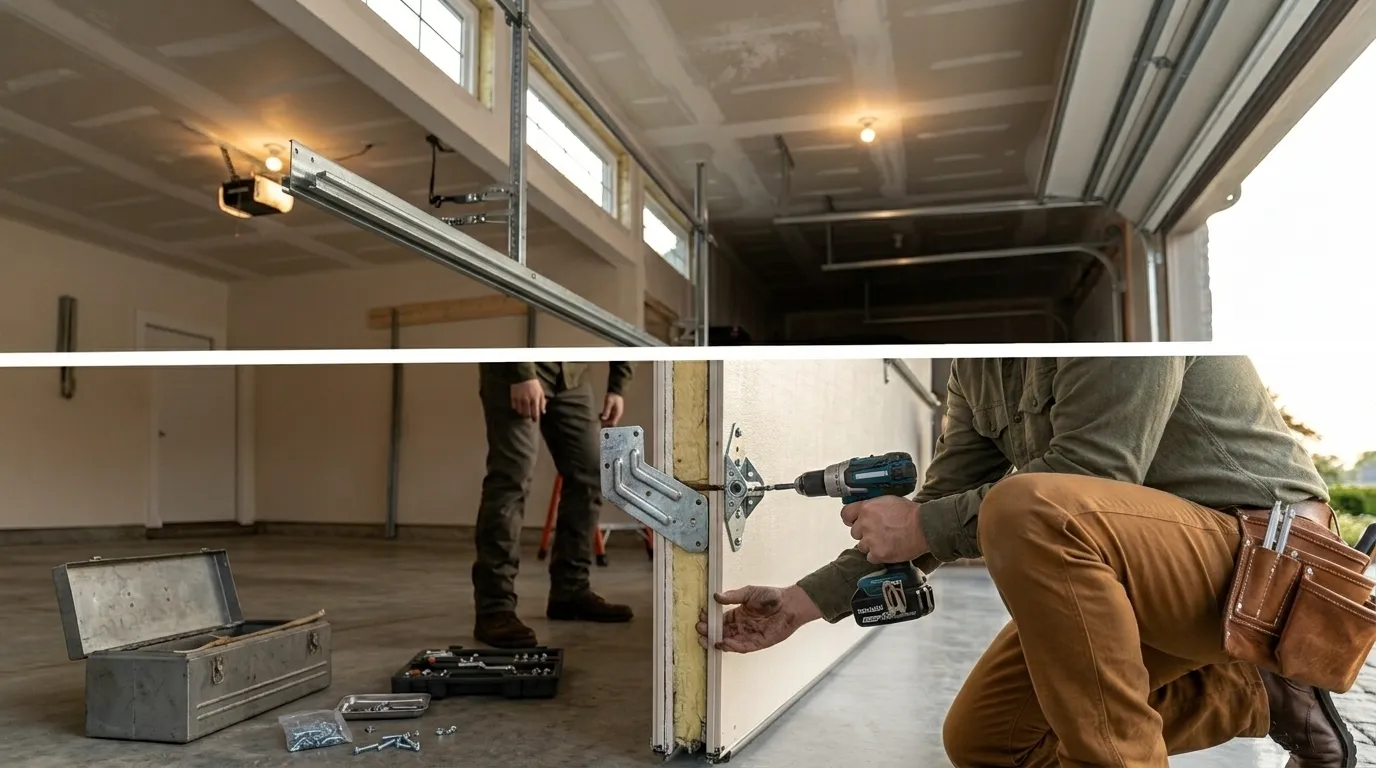
Opener Installation in Dewey Humboldt
Opener Installation for Dewey-Humboldt's 1990s-Built Garages
Dewey-Humboldt's garages run newer than the rest of the Cottonwood service area - that changes what opener install actually involves here. See what to expect.
- Licensed & Insured
- Same-Area Service Calls
- Upfront Pricing
What Happens When You Call
-
1
Call or Request a Quote
Tell us what the door is doing and roughly how old the house is - that alone points us toward the likely part before a truck leaves.
-
2
On-Site Diagnosis
A tech checks the spring, cables, tracks, and opener in person and tells you plainly what is actually wrong.
-
3
Straight Price, No Surprises
You get a number before any work starts. It covers parts and labor, nothing added after the fact.
-
4
Fixed the Same Visit
Most repairs are done in one trip. If a part needs sourcing, we tell you that upfront instead of guessing.
What the Fix Involves
Most houses in Dewey-Humboldt went up around 1992 - a few years newer than the 1979-1999 range that covers the wider service area, where the median lands closer to 1988. That gap matters more than it sounds like it should. A garage built in the early 90s usually came with a chain-drive opener bolted to a wood header, wired straight to a switch, no keypad, no safety reversal logic beyond the basics required at the time.
Swapping that unit out means dealing with header framing that's slightly different from the older stock down the hill, and running new low-voltage wire to a photo-eye pair that probably was never there in the first place. On these homes we're usually pulling one unit and setting one new belt-drive or chain-drive opener, matching horsepower to the door's weight, and testing travel limits and force settings before we call it done. It's not a rebuild of the whole system - it's a swap, done right, on a header that's held up fine for thirty-some years.
Full details on how we run this job across the area are on the service page linked below.
Can You Do This Yourself
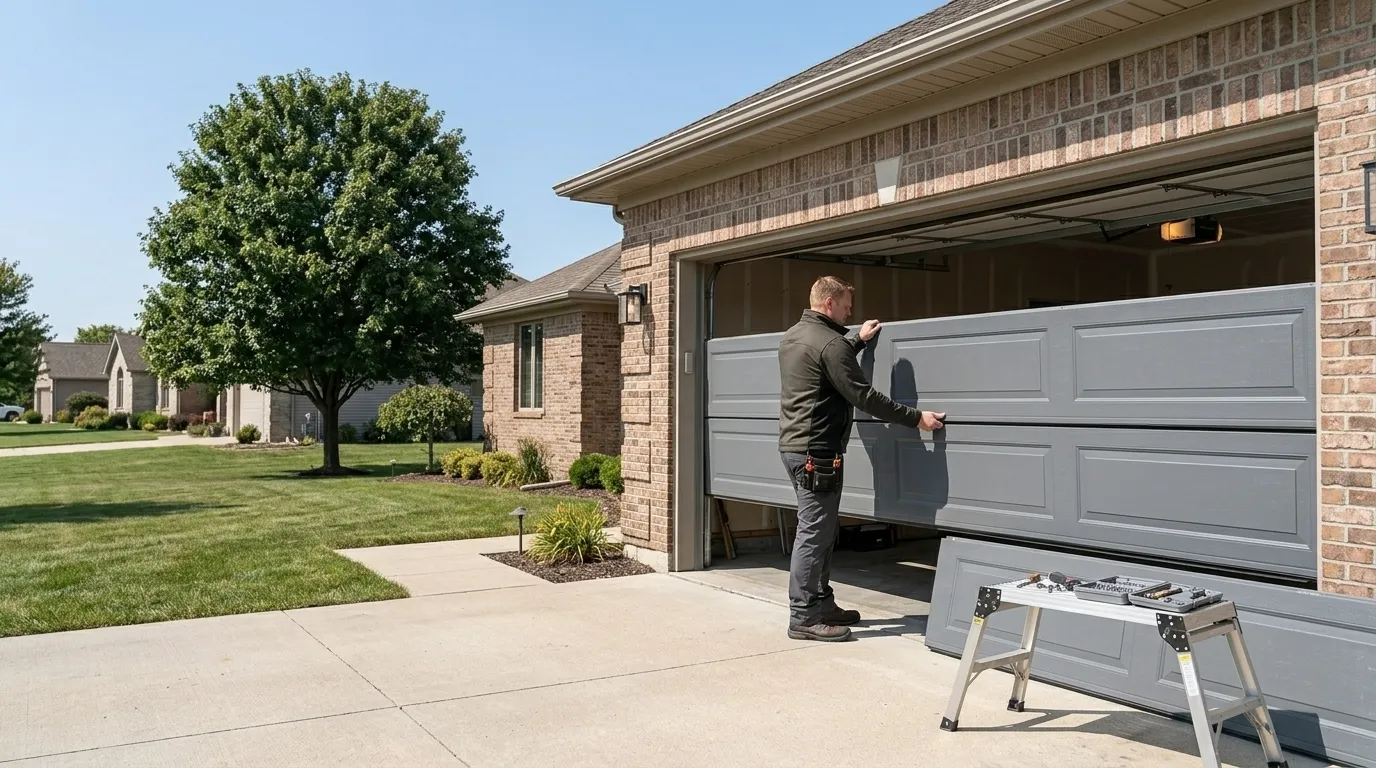
Mounting the head unit isn't the hard part - most kits come with a bracket and decent instructions. The part that trips people up is the safety wiring: getting the photo-eye sensors aimed and low enough, and getting the force and travel limits set so the door doesn't slam on a car bumper or a kid's bike. On a 1990s-era garage, the header often has old nail plates or bracing that wasn't meant for a heavier modern opener, and figuring out whether it'll hold takes some judgment.
We won't pretend everyone needs a pro for this - a straightforward same-size swap on a door in good shape is a reasonable DIY project for someone comfortable with a drill and a ladder. Where it gets risky is torsion spring tension near the opener rail, and misjudging that is how people get hurt. If the existing door and track are already worn, installing a new opener on top of bad hardware just moves the failure point somewhere else.
The Complications
Dewey-Humboldt sits about 20 miles out from Cottonwood, which means a job here isn't a same-day fix if a part turns out wrong on the first trip. We bring what the job calls for based on what we see in photos or a phone description, but an opener that needs a nonstandard bracket or a longer rail because of header depth can mean a second run. That's worth planning around rather than discovering on install day.
The other complication is scale: with roughly 1,701 households in Dewey-Humboldt, compared with 22,388 across the whole service territory, the pool of openers from this exact building era here is smaller and more uniform than what we see in the bigger, older neighborhoods closer to Cottonwood. That's actually useful - the failure patterns on these units are consistent, and we've got a good read on what a header from 1990-1994 needs before we ever pull up.
Why This Fails Locally
The region sits in a severe heat band, and that hits opener logic boards harder than most owners expect. A garage that bakes all afternoon pushes internal temperatures well past what the control board was rated for when it left the factory, and on a unit that's already thirty-plus years old, that heat cycling is usually what finally kills the board - not the motor, not the gears. On Dewey-Humboldt's stock, built mostly in the early-to-mid 90s, we see this show up as openers that still turn but won't respond to the remote, or that reverse randomly on a hot afternoon for no obvious reason.
It's not a wiring fault most of the time. It's a board that's been cooking for two decades and finally gave out. Swapping in a new opener with a modern board rated for higher ambient temperatures actually solves more than the original failure - it buys years the old unit never had a chance at.
What It Costs
We don't have a published price to quote here, and giving you a number without seeing the door, the header, and the current opener would be a guess dressed up as a fact. What we can tell you is that Dewey-Humboldt's median household income runs $64,183, a bit above the $60,848 median across the broader 13-area service territory, and that shows up in what people choose here - more belt-drive units, more owners asking about battery backup for outages, fewer bare-bones chain-drive replacements than we install in some of the older, lower-cost neighborhoods.
Cost depends on horsepower needed, whether the header needs any bracket work, and whether existing wiring can be reused. We'll give you a real number once we've looked at the actual door.
How Long You Are Without the Door
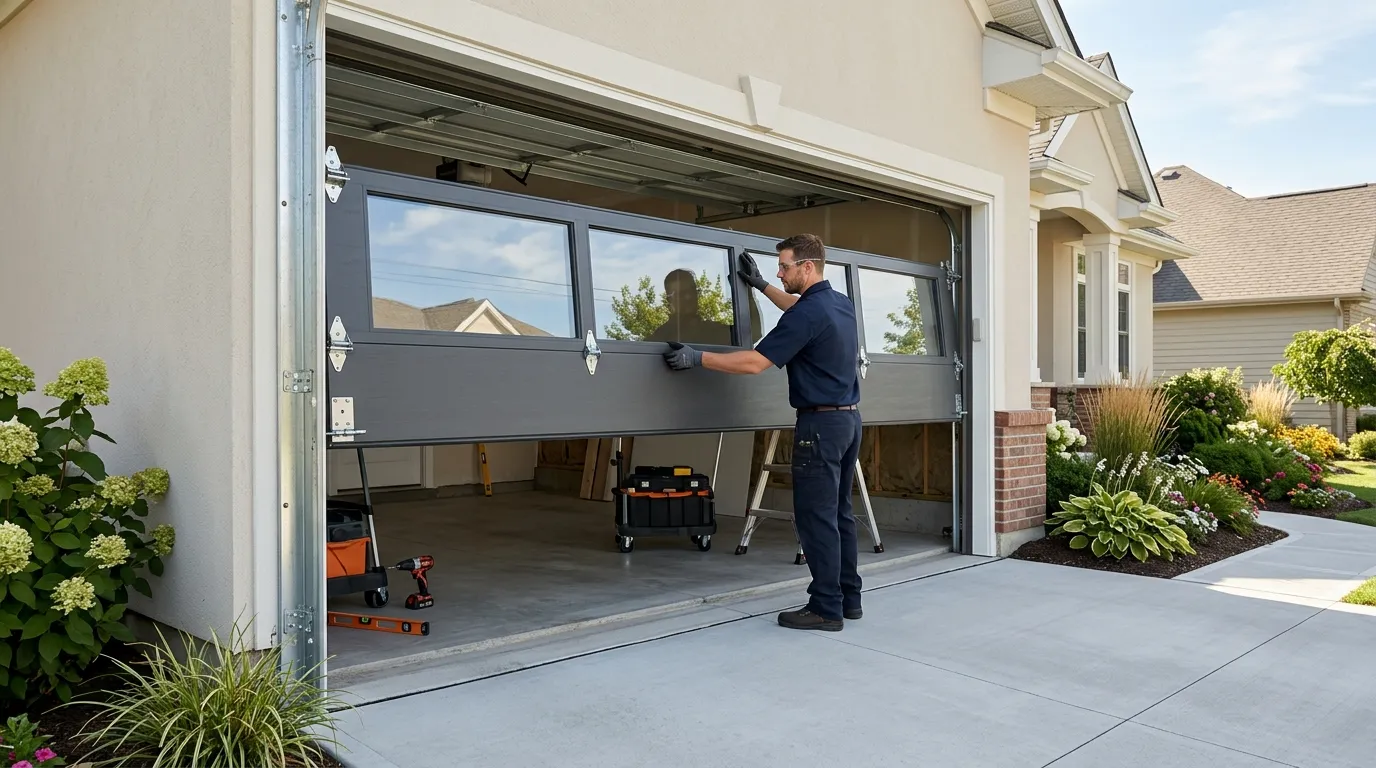
The install itself, once we're on site with the right unit, usually runs a couple of hours from removing the old opener to testing the new one under load. The bigger variable here is scheduling around the 20-mile trip from Cottonwood - we're not stationed in Dewey-Humboldt, so if the first visit turns up a header issue or a part we didn't bring, the fix waits for a second trip rather than a quick run back to a nearby shop.
Most single-swap jobs on these 1990s garages don't hit that snag, since the hardware here is consistent enough that we usually know what we're bringing before we leave Cottonwood. Worth knowing going in: this isn't a same-day guarantee, it's a realistic estimate based on what the job usually needs.
Talk to a Dewey Humboldt Technician First
Describe what the door is doing and get a straight answer on what it likely needs.
Other Garage Door Services in Dewey Humboldt
Recent Work in Dewey Humboldt
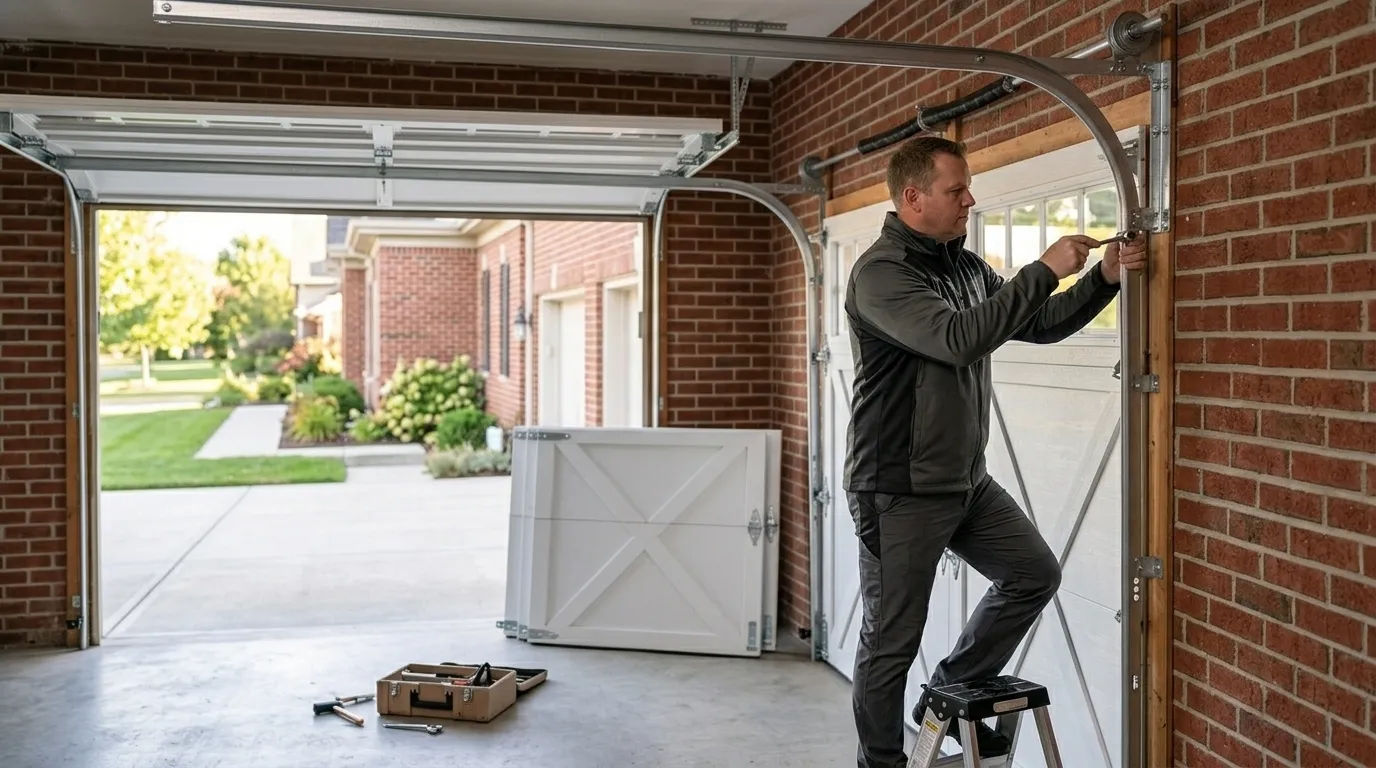
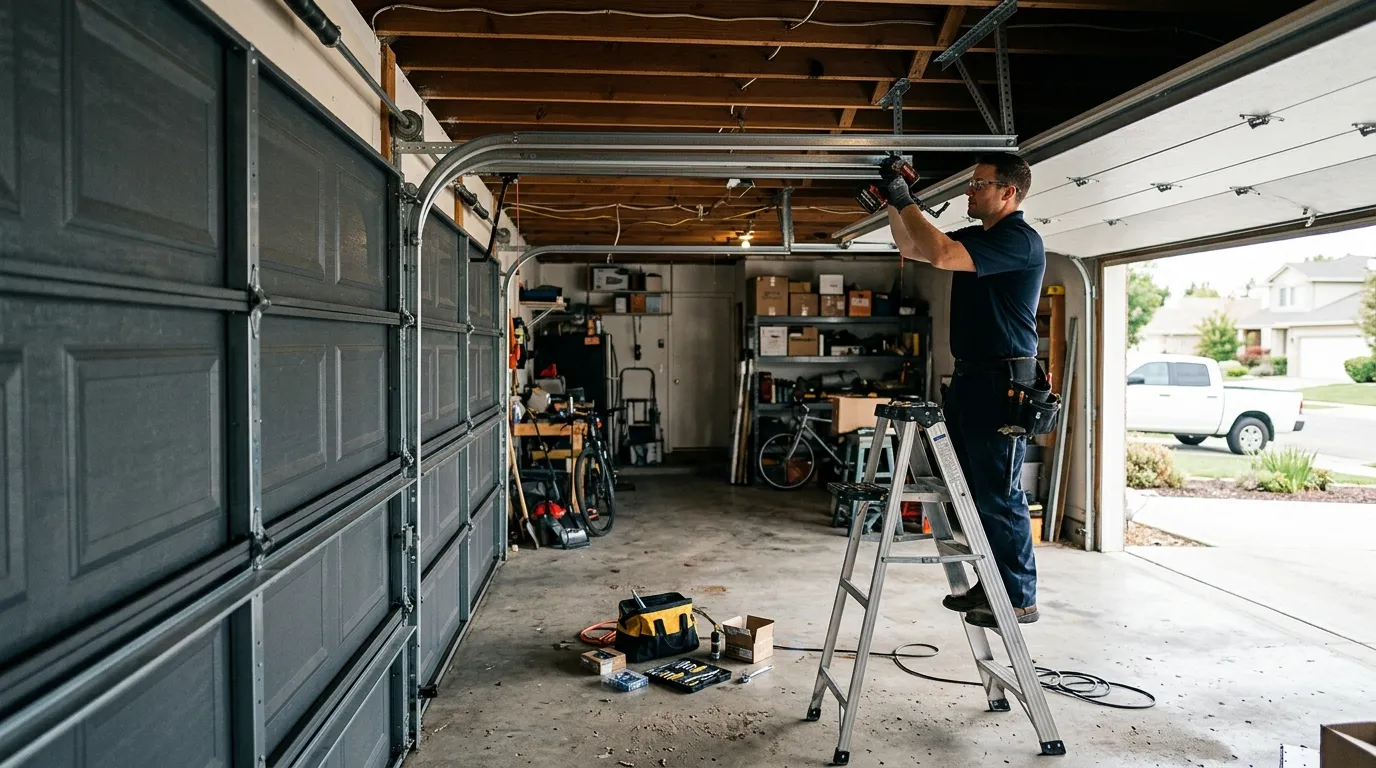
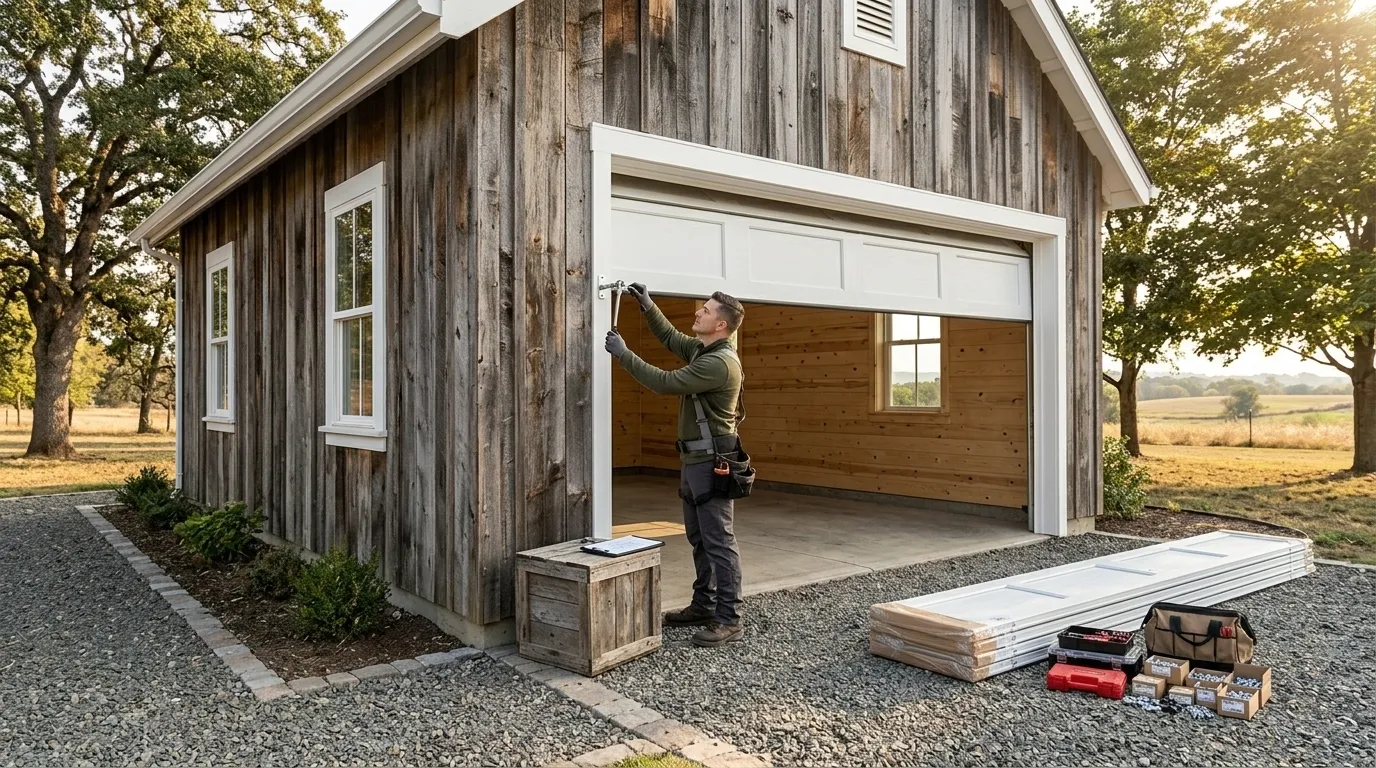
A look at jobs our crew has been on nearby.
Why Dewey Humboldt Calls Us
Frequently Asked Questions
Is my opener too old to repair instead of replace?
If it's original to a house built around 1992, the board has likely been through three decades of severe summer heat, and boards are usually what fails first out here. Once a board goes, repair costs approach replacement cost anyway, so most owners in Dewey-Humboldt end up swapping the whole unit rather than chasing a board replacement.
Do you have a location in Dewey-Humboldt?
No. We work out of Cottonwood, about 20 miles away, and travel out for jobs in Dewey-Humboldt. That means we plan the parts we bring based on what you tell us and send, since a second trip for a missing part adds a day rather than an hour.
Will a new opener fit my old header without extra work?
Usually yes on houses from this era, since the framing is fairly standard for early-90s construction. Occasionally a heavier modern unit needs added bracing at the header, which we'll flag before we install rather than after.
Need Opener Installation in Dewey Humboldt?
Call now for straight answers on cost and timing.