
Service
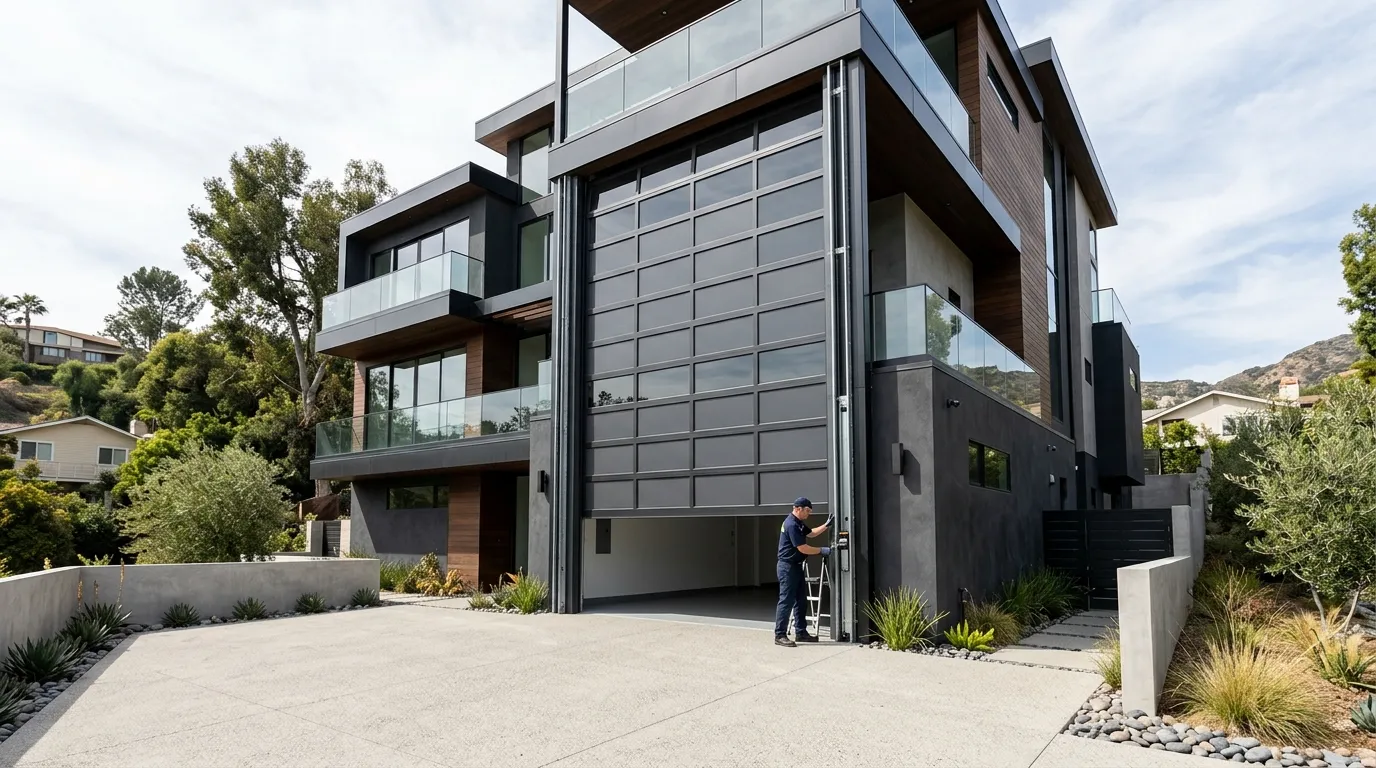
Garage Door Panel Replacement for Cottonwood Homes
Steel panels from Cottonwood's 1980s-90s housing boom warp and dent under severe desert heat. Here's what panel replacement actually involves and when it's worth it.
- Licensed & Insured
- Same-Area Service Calls
- Upfront Pricing
What Happens When You Call
-
1
Call or Request a Quote
Tell us what the door is doing and roughly how old the house is - that alone points us toward the likely part before a truck leaves.
-
2
On-Site Diagnosis
A tech checks the spring, cables, tracks, and opener in person and tells you plainly what is actually wrong.
-
3
Straight Price, No Surprises
You get a number before any work starts. It covers parts and labor, nothing added after the fact.
-
4
Fixed the Same Visit
Most repairs are done in one trip. If a part needs sourcing, we tell you that upfront instead of guessing.
What You Are Seeing
You've got a dent, a bow, or a section that's pulled away from the seam on one panel of your garage door, while the rest of the door still looks fine. Sometimes it's a crack running along a ridge line, sometimes it's a panel that's gone concave in the middle like someone leaned a truck against it. On older steel doors around Cottonwood, you'll also see the paint chalking or peeling unevenly on the panel that's failed - usually the one that catches the most sun through the afternoon.
Most of the time this shows up on one or two panels, not the whole door, because the damage is either impact (a car bumper, a bike, a ladder) or heat-driven fatigue that hits the most exposed section first. If the door still opens and closes without binding, and the track and rollers look straight, you're likely looking at a panel problem and not a full door replacement - which matters, because those are two very different jobs and two very different bills.
Why This Fails Locally
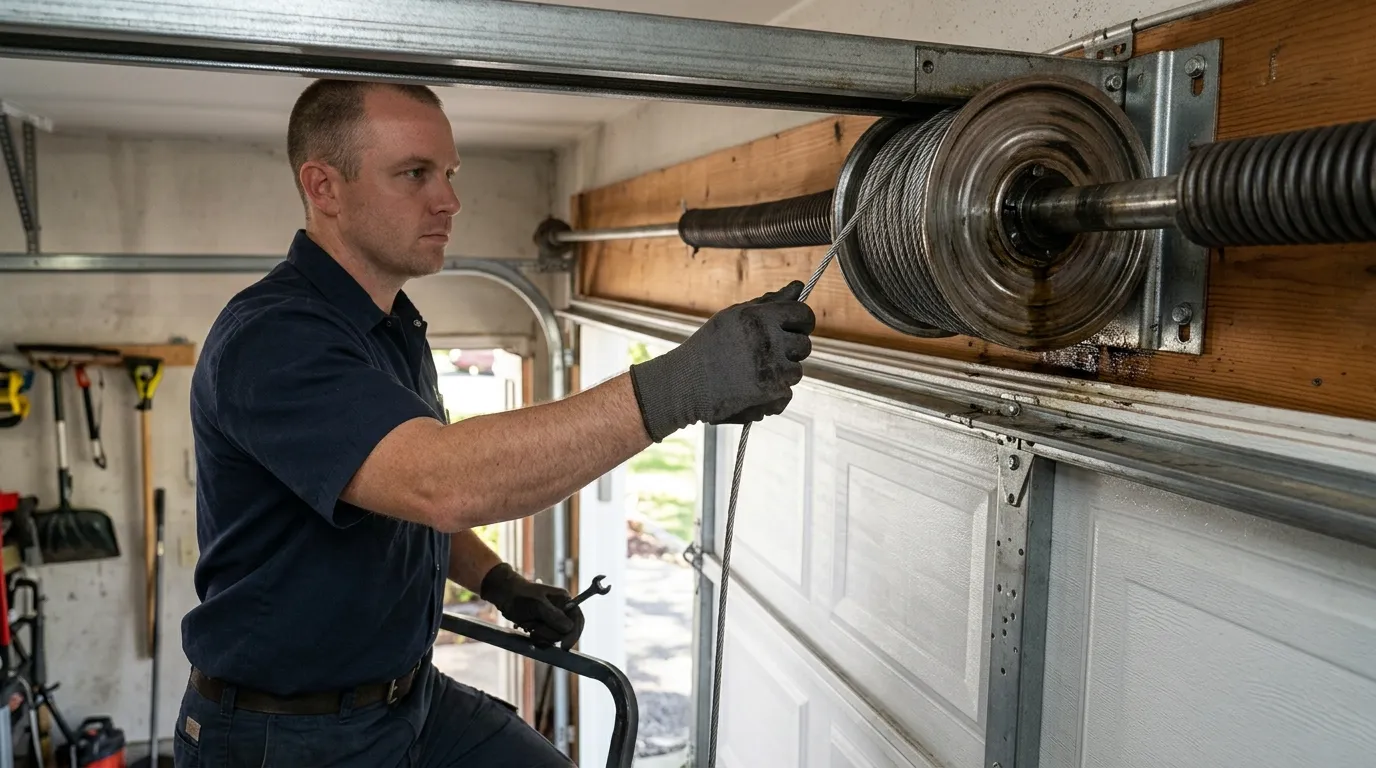
A lot of Cottonwood housing went up between 1979 and 1999, with the median build year around 1988, and that means a lot of original steel garage doors from that era are still in service across the area's 13 named neighborhoods, most of it 1980s-90s stock. Those doors were built with thinner steel gauges and less insulation than what's sold today, and they were never engineered for the kind of sustained severe heat this area sees.
Heat doesn't just fade paint. It cycles steel panels through expansion and contraction every single day - hot in direct sun, cooler at night - and over three or four decades that cycling works the seams and the foam backing loose.
A panel that's already dented or cracked gives the heat an easy entry point, and it warps faster than the panels around it. That's why you'll often see one bad panel on an otherwise sound door: it's the one that took a hit years ago, and the last twenty summers finished the job.
Can You Do This Yourself
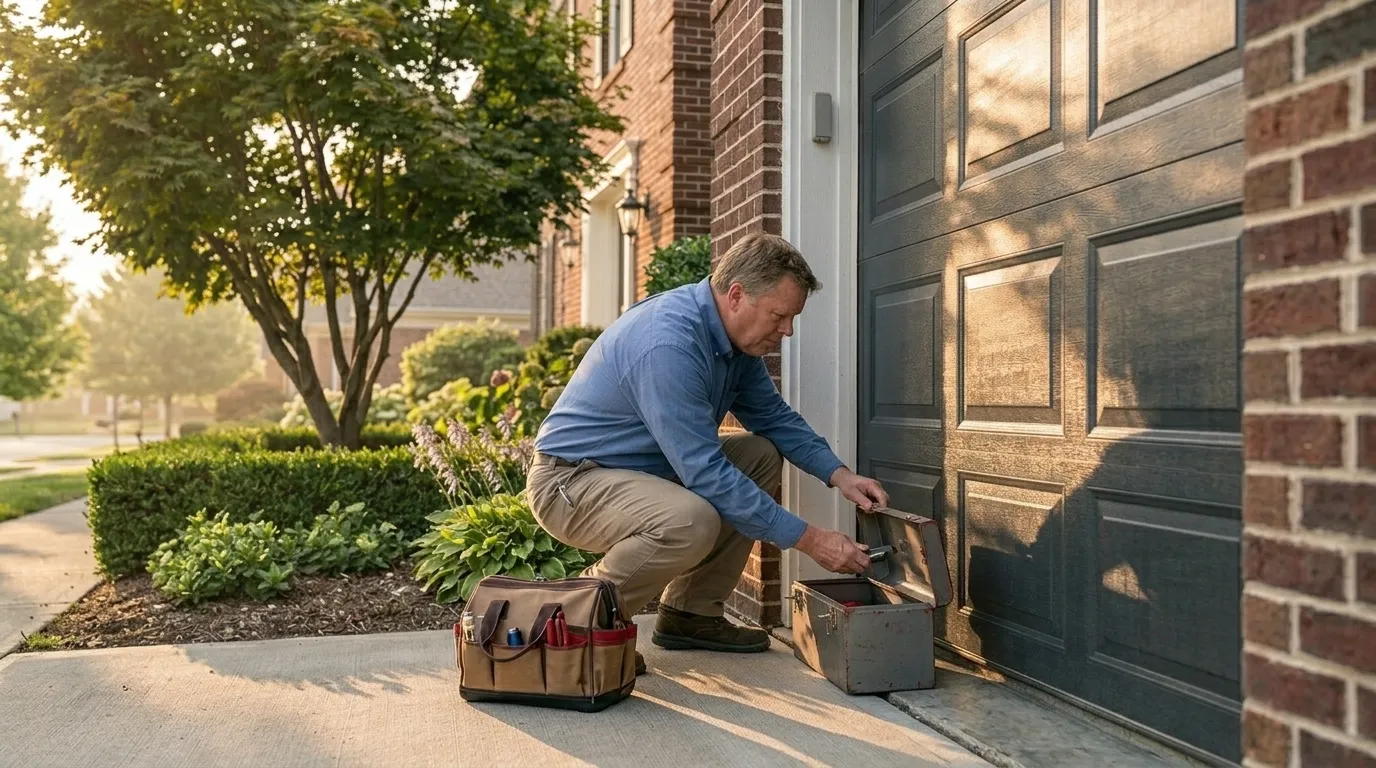
If you can find an exact match panel - same brand, same width, same ribbing pattern - and your door is a common enough model, swapping one panel is within reach for someone comfortable with basic tools and a Saturday. The panel bolts to the ones above and below it through the hinge hardware, and on most residential doors that's straightforward once the door is off track or blocked in place safely.
Where it gets hard fast: doors built in the 1980s and 90s often don't match anything currently on the shelf. Manufacturers changed panel dimensions and rib spacing over the decades, so a mismatched panel either won't bolt up clean or it'll bolt up and look wrong next to the rest of the door - different color, different profile, different flex under wind load.
There's also real risk working near a loaded torsion spring if the door needs to come off track to get the panel out. If you're not sure the door is safely secured, that's not the place to save money.
What the Fix Involves
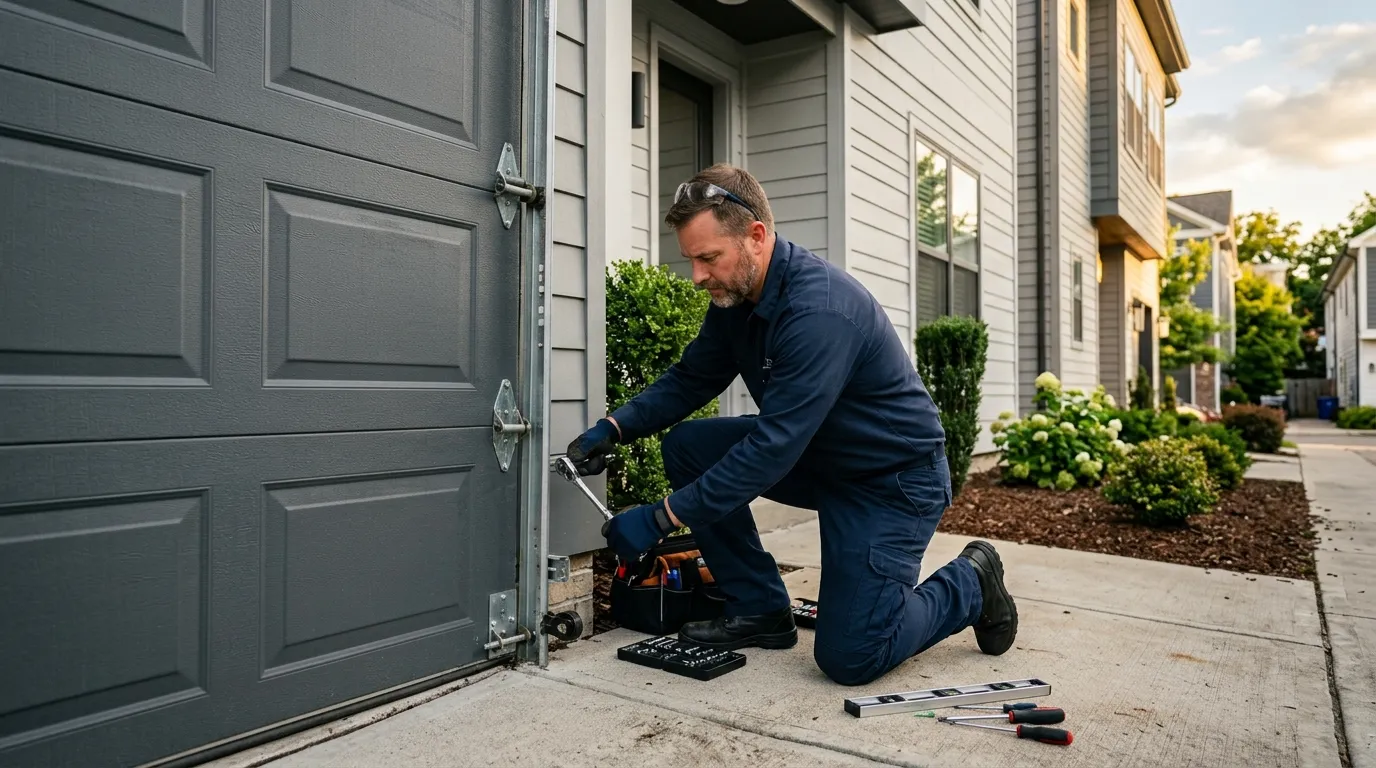
We start by identifying the door's manufacturer and panel size, which on an older Cottonwood-area door usually means measuring rather than trusting a nameplate that's long gone or painted over. If a matching panel exists, we order it, pull the damaged section without disturbing the spring tension, and bolt the new panel into the hinge hardware, checking that the door still tracks straight and seals at the floor once it's back together.
We'll tell you upfront when a matching panel isn't available. That happens more than you'd think on doors from the 1979-1999 building era, and at that point the honest math usually favors a full door replacement over chasing a discontinued panel - we'll walk you through both costs before you decide. We also check the panels next to the repaired one; if they're showing the same heat-cycling wear, it's worth knowing now instead of getting a second call in a year.
Talk to a Technician Before You Book
Describe what the door is doing and get a straight answer on what it likely needs.
Jobs Like Yours
Recent work from this service line.
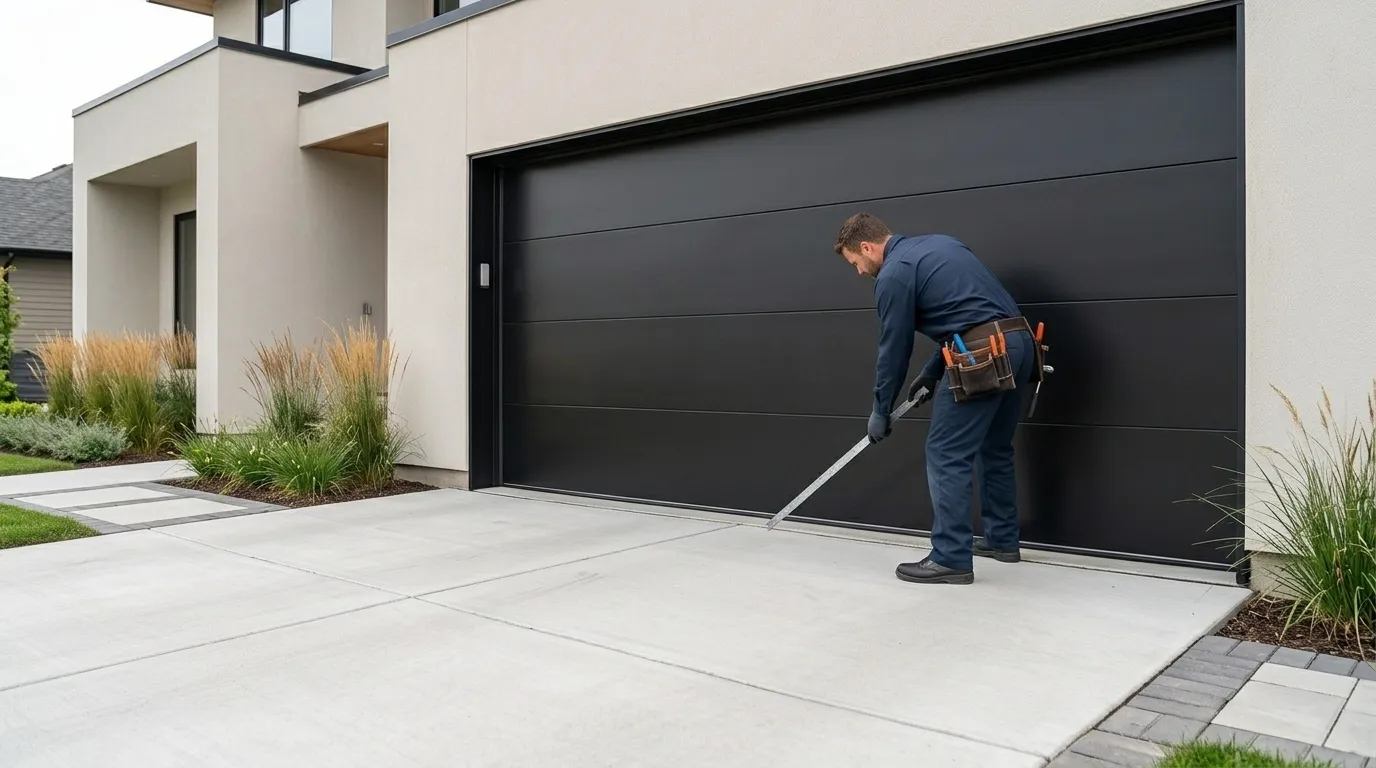
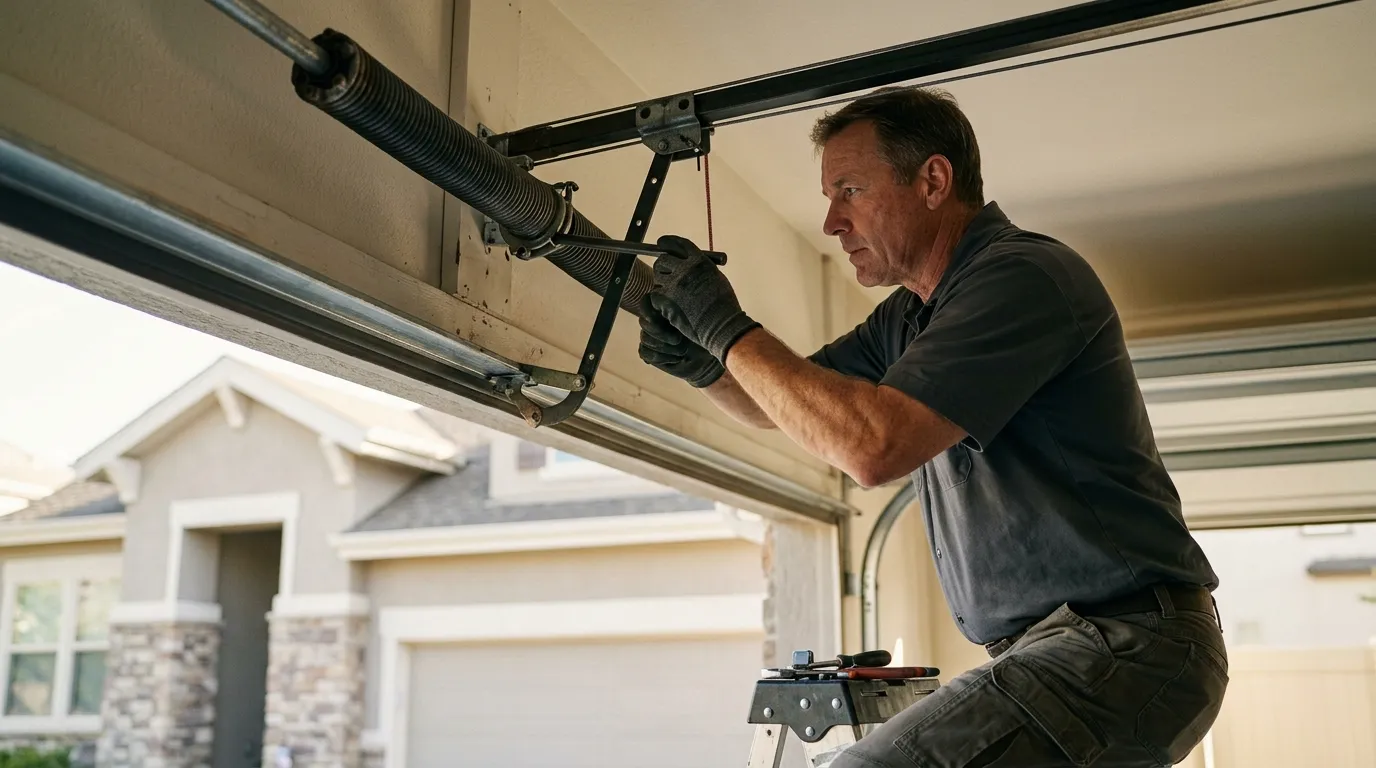
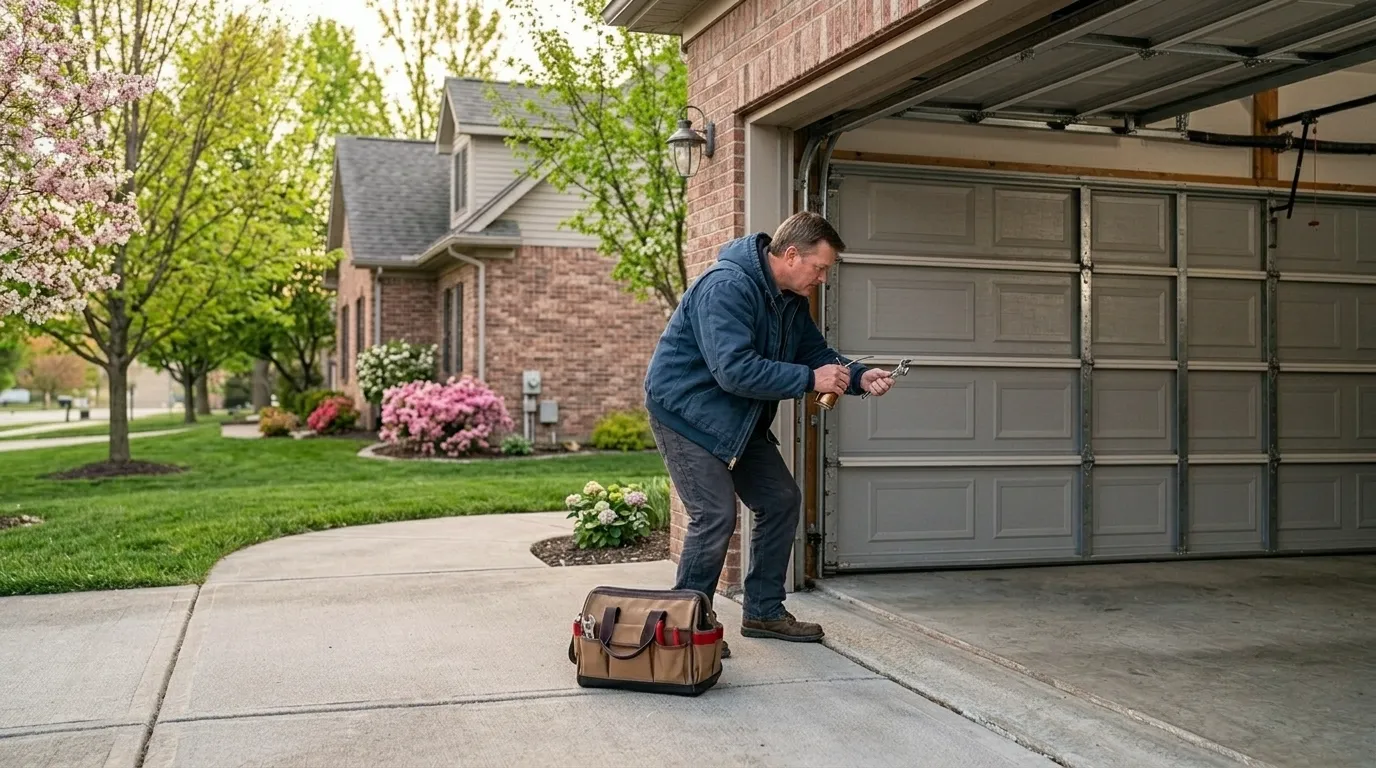
Why Cottonwood Calls Us
Frequently Asked Questions
Can you match the panel color and profile on an older door?
Sometimes. If your door's manufacturer still makes a compatible panel, we can usually get a close color match, though sun-faded original panels rarely match a brand-new one exactly. On discontinued models from the 1980s-90s, an exact match often isn't possible, and we'll tell you that before ordering anything.
Why did only one panel fail when the rest of the door looks fine?
Usually because that panel took an impact at some point, and the crack or dent gave the heat cycling somewhere to start working. The other panels are the same age and material, so once one goes, keep an eye on the rest - they're not far behind.
Is panel replacement cheaper than a new door?
Often, yes, if the panel is available and the rest of the door and hardware are sound. But if your door dates to the 1979-1999 building boom and the panel is discontinued, chasing it can cost more in labor and sourcing than replacing the whole door. We give you both numbers before you commit.
Need Garage Door Panel Replacement for Cottonwood Homes?
Call now for straight answers on cost and timing.