
New Door Installation in Cornville
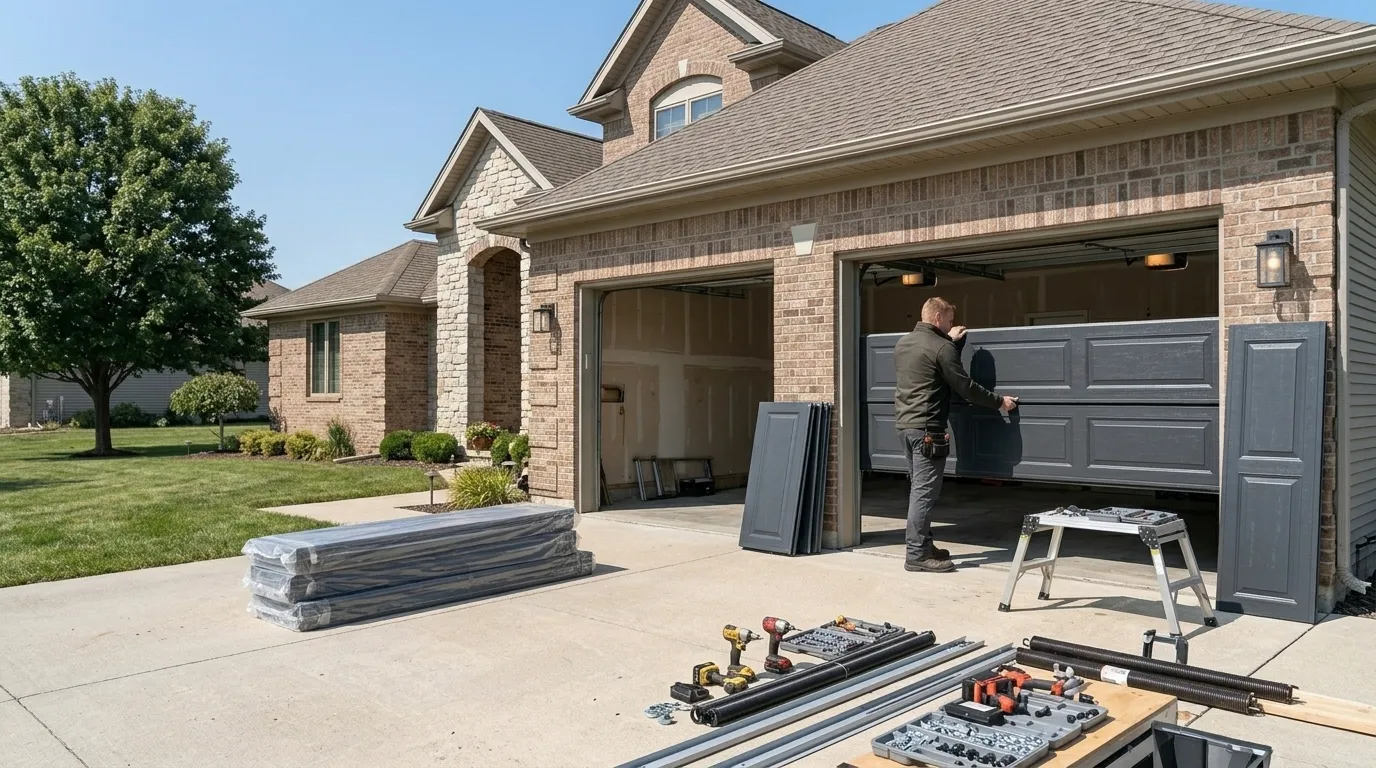
New Garage Door Installation for Cornville Homes
Cornville homes run newer and higher-income than the rest of the service area, which changes when replacement beats repair. Installed by the Cottonwood crew, 6 miles out.
- Licensed & Insured
- Same-Area Service Calls
- Upfront Pricing
What Happens When You Call
-
1
Call or Request a Quote
Tell us what the door is doing and roughly how old the house is - that alone points us toward the likely part before a truck leaves.
-
2
On-Site Diagnosis
A tech checks the spring, cables, tracks, and opener in person and tells you plainly what is actually wrong.
-
3
Straight Price, No Surprises
You get a number before any work starts. It covers parts and labor, nothing added after the fact.
-
4
Fixed the Same Visit
Most repairs are done in one trip. If a part needs sourcing, we tell you that upfront instead of guessing.
Why This Fails Locally
Cornville's median household income sits at $70,925, well above the $60,848 median across the wider Cottonwood service area. That gap matters because it moves the line where replacement stops being a luxury and starts being the cheaper option. A homeowner here paying to fix a cracked panel or a stripped torsion spring on a 30-plus-year-old door for the third time is often better served putting that money toward a new door instead of another patch.
Cornville's houses run a median build year of 1989, which tracks with the broader area's 1979-1999 range and mostly 1980s-90s stock. That means most doors here are original steel sectional units on torsion springs sized for a lighter door than what's on the market now.
The springs were never rated for 30 years of daily cycling, and the tracks were bent for panels that have since warped. When one part on a door this age fails, the rest usually isn't far behind it, which is a different math than a house built in 2005.
We won't tell you every old door needs replacing. Some just need a spring and a tune-up. But once you're past two separate repairs on the same door, replacement usually pencils out cheaper over five years.
How Long You Are Without the Door
There's no branch in Cornville. We run out of Cottonwood, six miles up the road, and that travel time is part of scheduling every job here, not an add-on. We don't quote a same-day promise for Cornville because we haven't measured our response times for this town specifically, and we're not going to guess at a number just to fill a sentence.
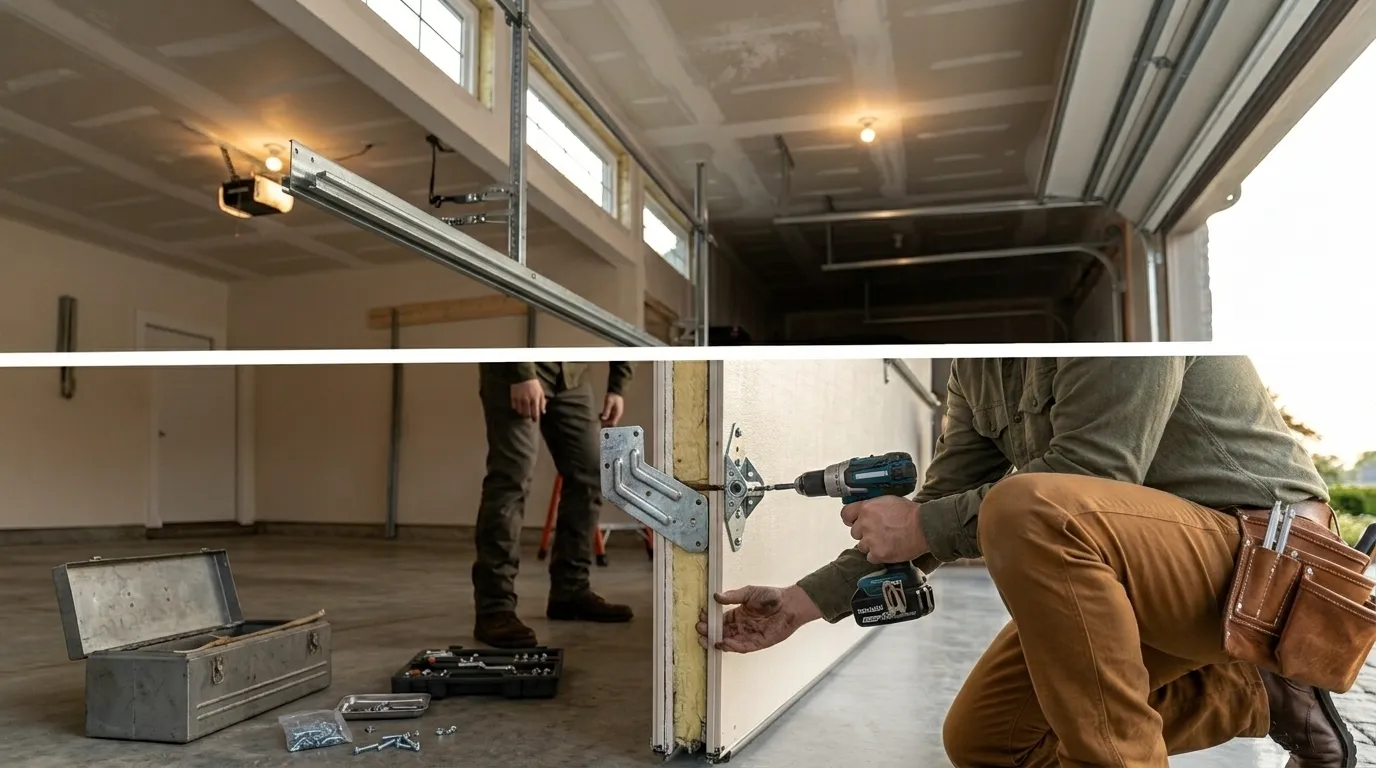
What we can tell you honestly: a full door swap is not a same-visit job in most cases. We measure the opening, confirm the track and header clearance, and order the door to the size and R-value that fits the house.
Standard steel sectional doors in common widths are usually quick to get. Custom widths, or insulated doors sized for the heat here, take longer to land on the truck.
If your door is jammed shut or came off its track and you're stuck with an inoperable garage, that's a different call than a planned replacement, and we'll talk through what can be done to get you functional in the short term while the new door is on order. We're not going to pretend a six-mile drive changes physics, but it does mean we plan the visit rather than drop in unannounced.
What You Are Seeing
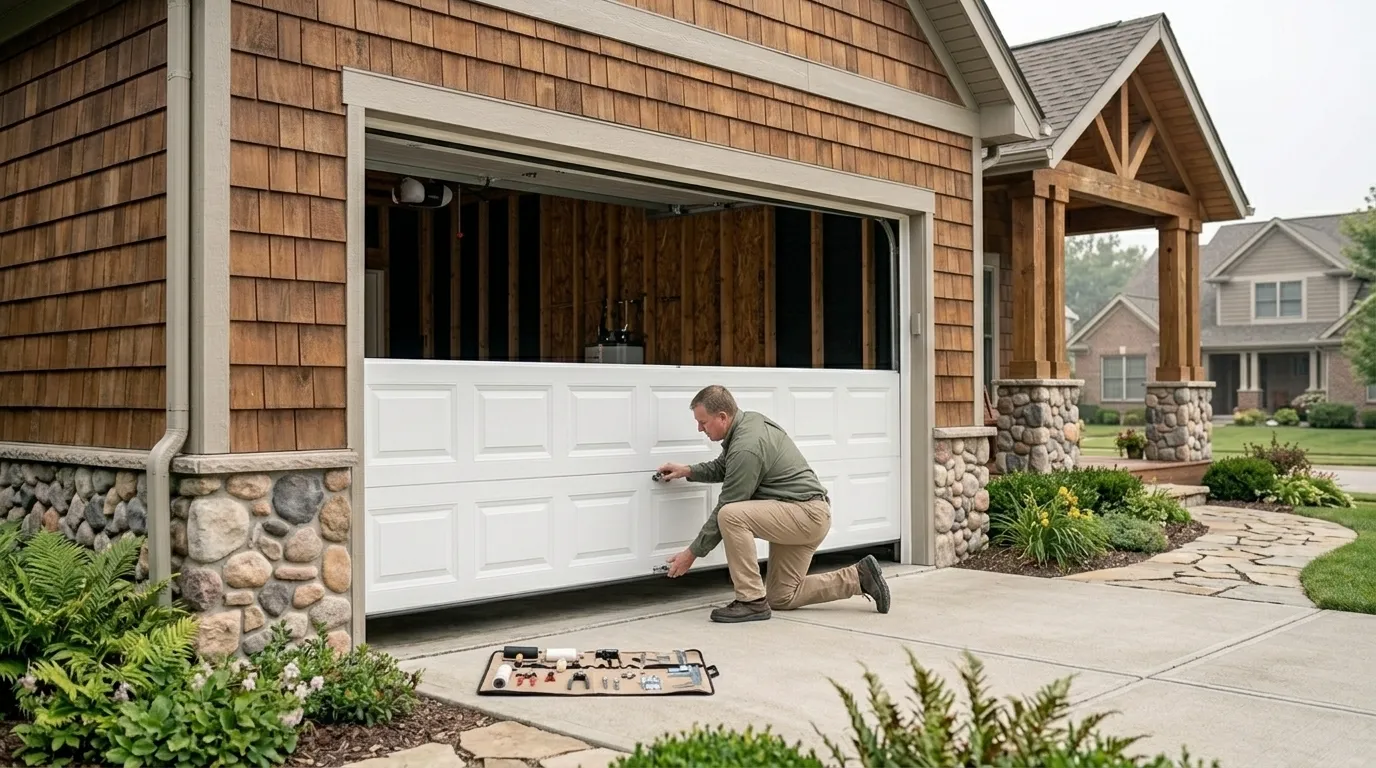
With a median build year around 1989, most Cornville garage doors are hitting the part of their life where steel panels start to bow, especially on the side that takes full sun most of the day. This area sits in a HEAT severe climate band, and repeated expansion and contraction on non-insulated steel over three decades is what cracks weatherstripping, warps thin panel skins, and dries out the lubrication in rollers and hinges faster than it would in a milder climate.
Common symptoms on doors this age: a door that's noticeably heavier to lift by hand than it used to be, a spring that's visibly stretched or gapped, rollers grinding instead of rolling smoothly in the track, and a bottom seal that's cracked and letting daylight through underneath. None of these alone means you need a new door. Together, on a door built before insulated cores were standard, they usually mean the door has done its job and is ready to be replaced rather than nursed along.
If your door still opens and closes evenly and the only issue is one worn part, that's a repair call, not a replacement one. We'll say so.
Parts We Carry
For new installs we carry standard steel sectional doors in common residential widths, along with insulated panel options suited to a severe-heat climate like this one - thicker cores, tighter weatherstrip channels, and hardware rated for daily cycling in high heat rather than the lighter-duty gear that shipped with 1980s and 90s builds.
We stock torsion springs sized to current door weights, standard track sections, rollers, and cables for the install itself. What we don't keep on hand is every custom width or a full run of specialty finishes - those get ordered to match your opening once we've measured it, and that's a lead time we tell you upfront rather than after the fact.
We don't install openers or accessories as an afterthought bolted onto an old door that's failing structurally. If the door's done, we replace the door properly first, then talk about what opener suits the new weight and cycle count. Mixing a new motor onto a door with worn track or a bent panel just moves the failure point somewhere else.
The Complications
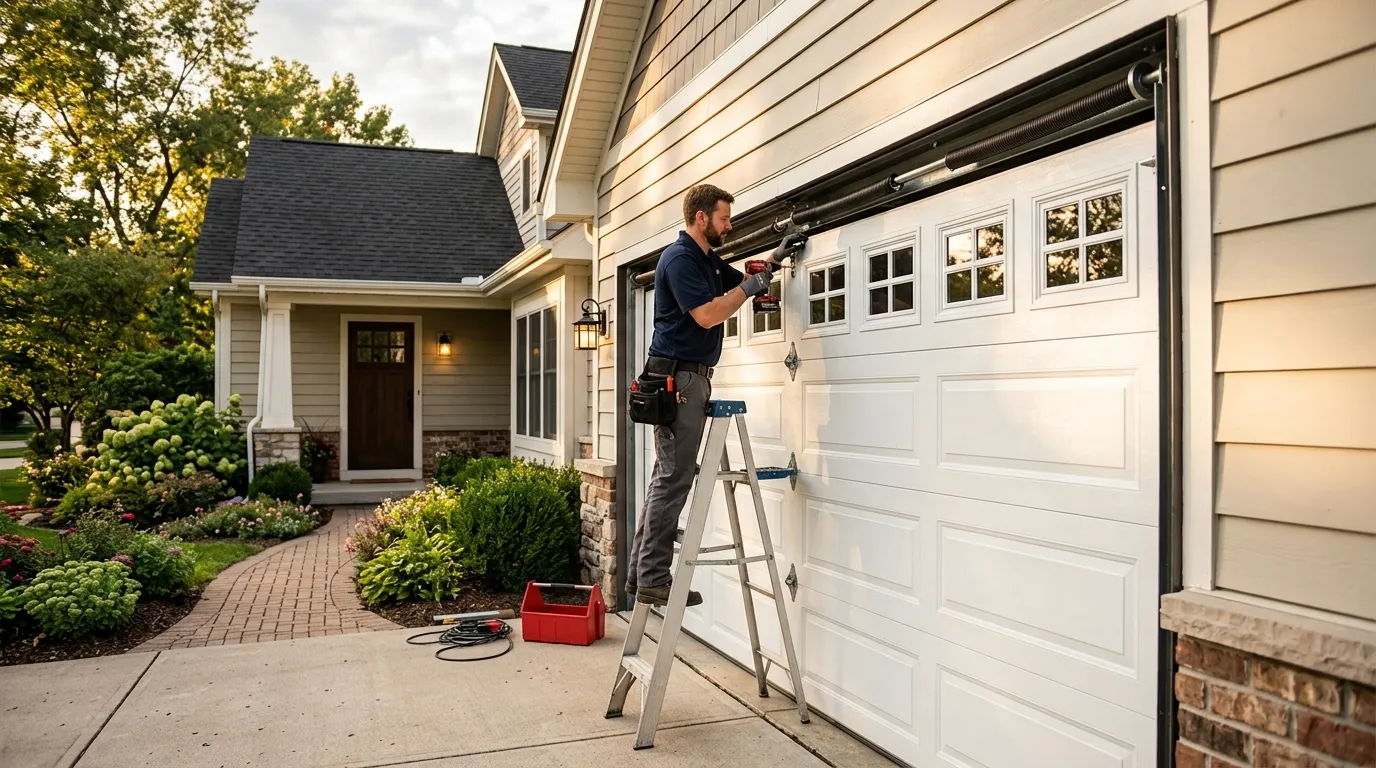
The biggest complication on a 1989-median-age house is mismatch: an opener from a later remodel bolted to original hardware, or a door that's been repaired piecemeal enough times that the track, spring, and panel are all from different eras. When we quote a new install, we look at what's actually mounted on the header, not just the door itself, because the opener bracket and header clearance built for a 1980s-90s door don't always suit a modern insulated door without some adjustment.
We don't handle structural header repair - if the wood framing above the opening has sagged or rotted, that's a carpentry call before a door call, and we'll tell you that rather than force an install onto a header that isn't square.
Across the wider service area there are 22,388 households and 17,889 owner-occupied houses, and Cornville's own household count is smaller and newer-skewing within that mix. That's part of why we don't quote one blanket price or timeline for every job - a 1989 Cornville door and a much older one elsewhere in the service area aren't the same install.
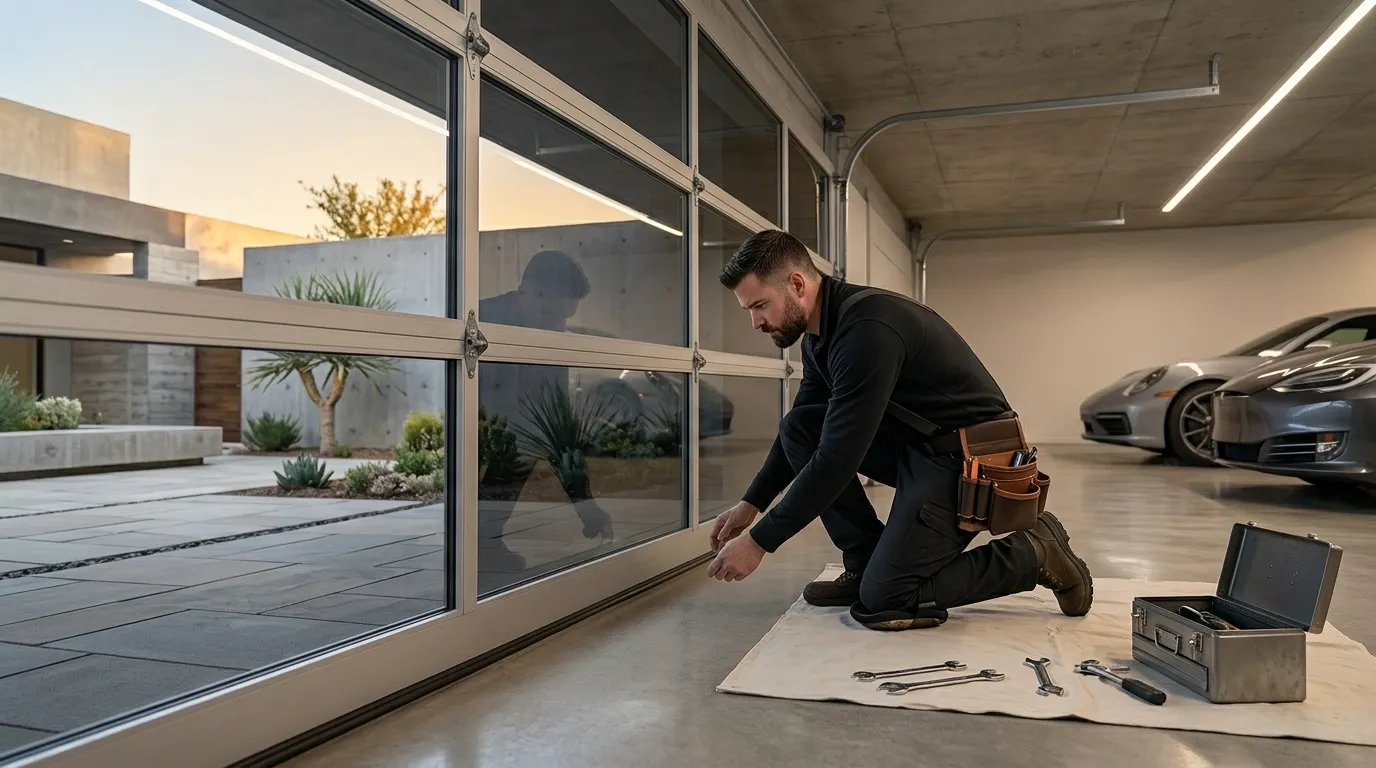
Talk to a Cornville Technician First
Describe what the door is doing and get a straight answer on what it likely needs.
Other Garage Door Services in Cornville
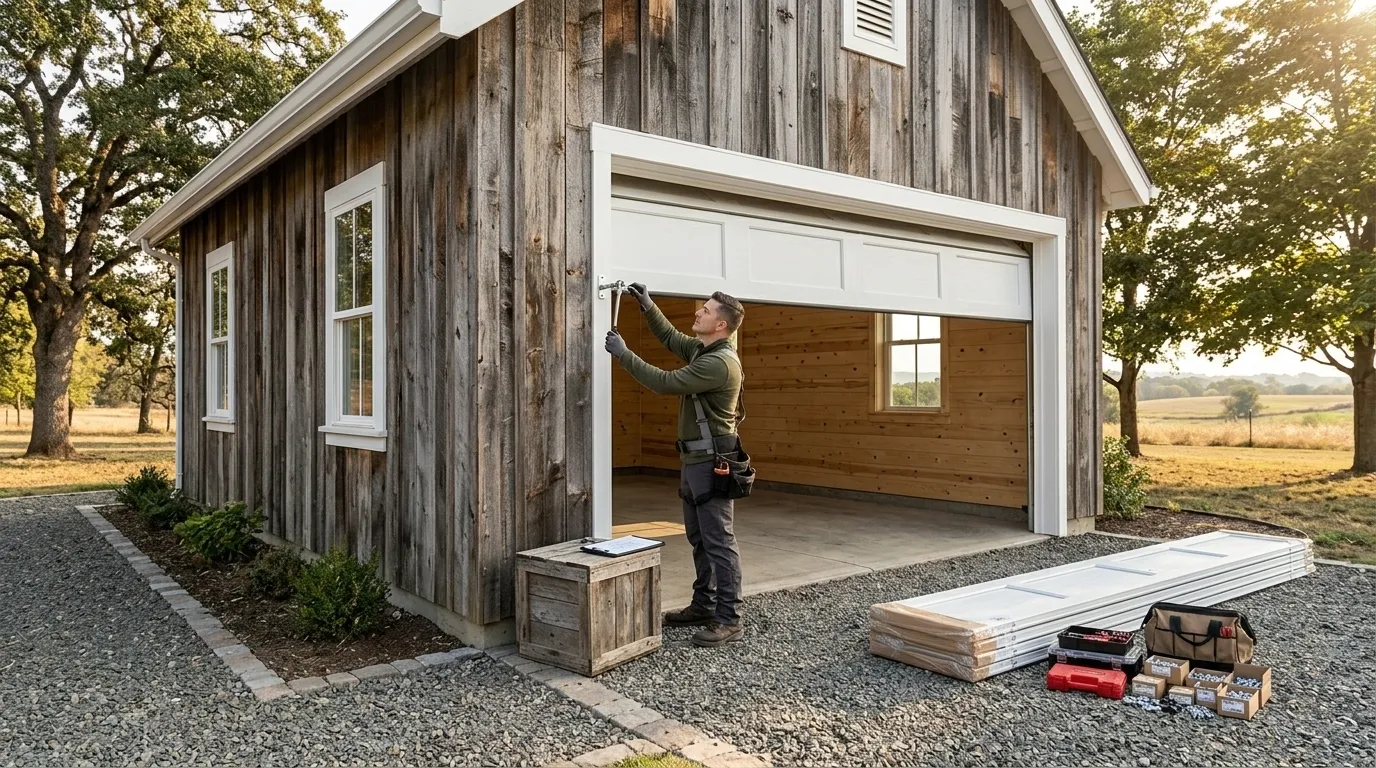
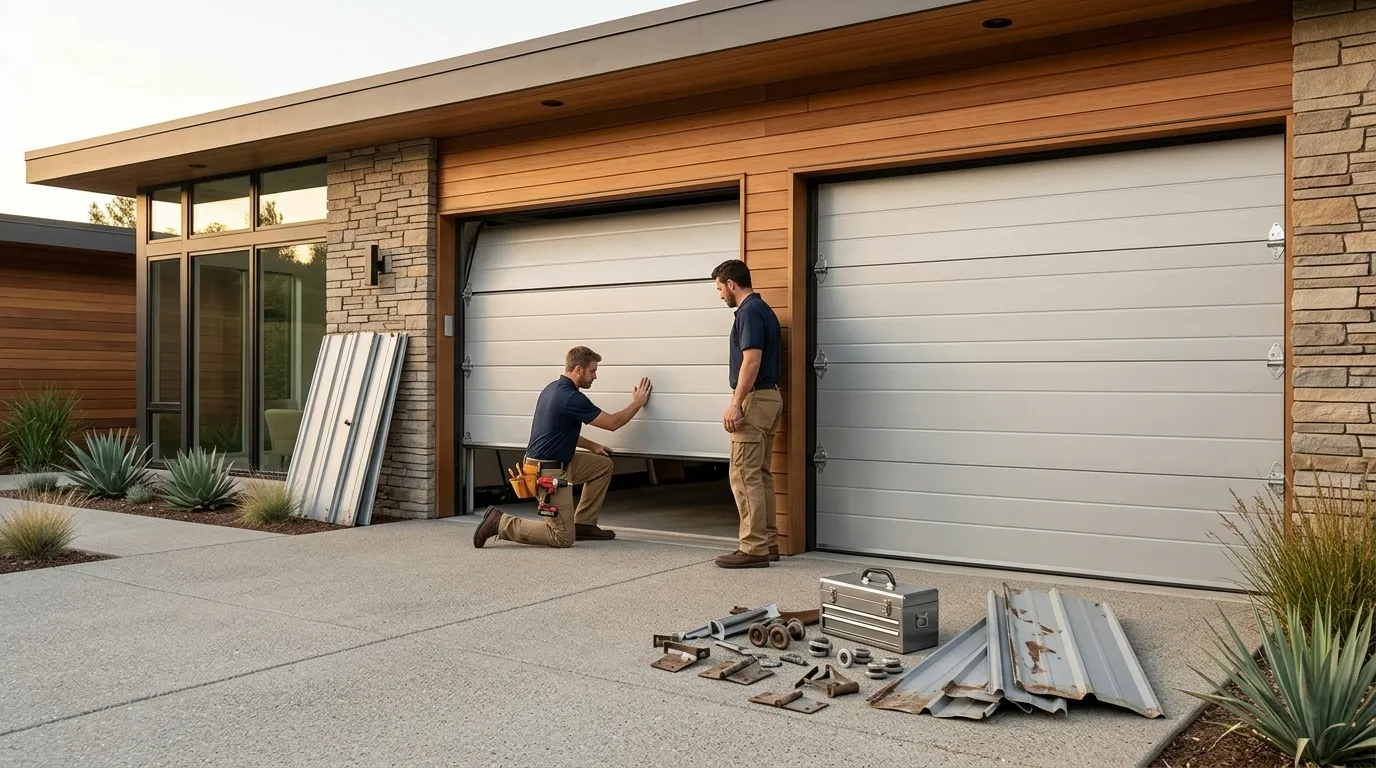
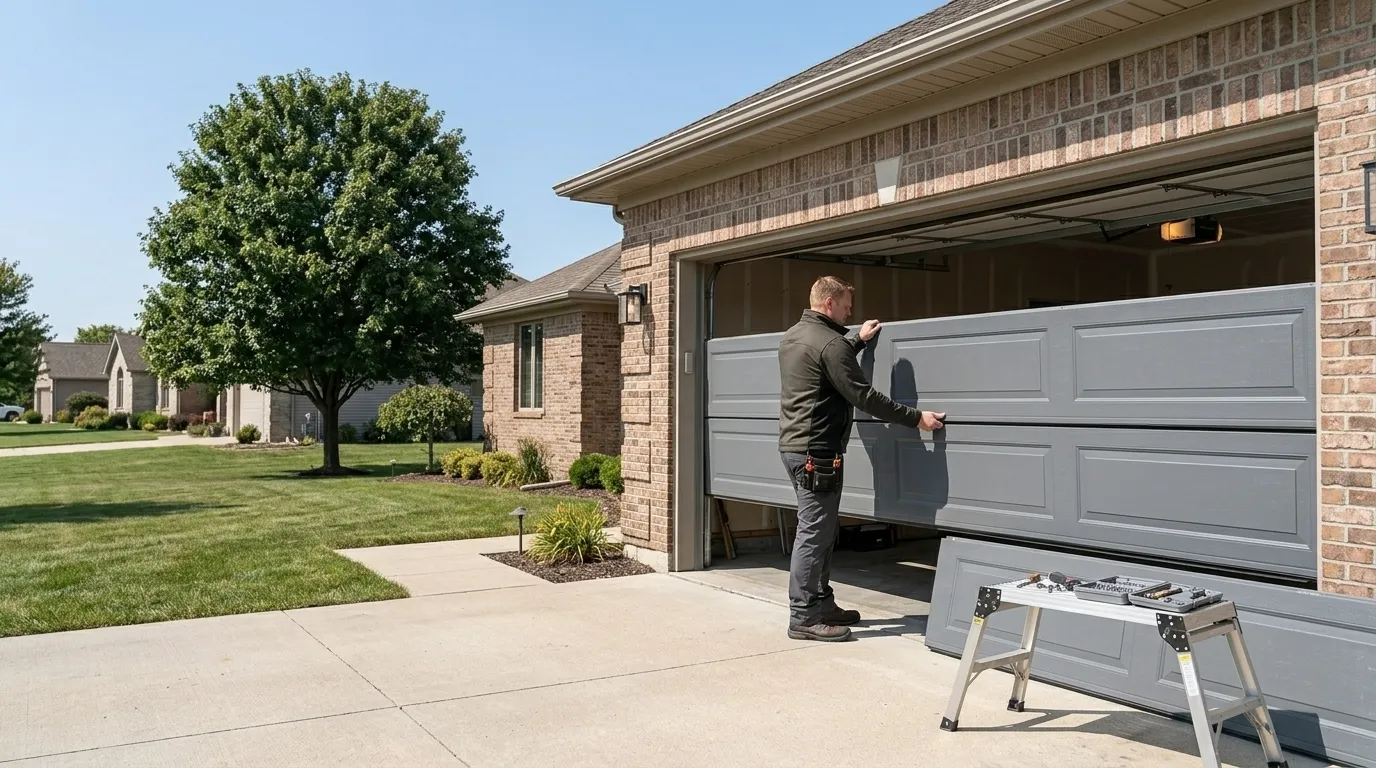
Recent Work in Cornville
A look at jobs our crew has been on nearby.
Why Cornville Calls Us
Frequently Asked Questions
Is it cheaper to repair my garage door or replace it in Cornville?
It depends on how many parts have already failed. With Cornville's median income at $70,925, a lot of homeowners here find that after a second separate repair on a door built around 1989, replacement pencils out cheaper over a few years than another round of parts and labor on an aging door.
Do you have a branch in Cornville?
No. We run out of Cottonwood, about six miles away, and travel time is part of how every Cornville job gets scheduled. We don't quote a specific response time for the town because we haven't measured it separately from the rest of the service area.
Why do doors in Cornville fail differently than in newer parts of town?
Most Cornville houses were built around 1989, which means original steel sectional doors on torsion hardware sized for lighter panels than what's sold today. Combined with a severe-heat climate, that hardware ages faster here than it would on a newer, insulated door.
Can you install a new door the same day you measure?
Usually not. Standard-width steel doors are often quick to get, but insulated doors sized for this climate, or custom widths, take longer to order. We'll give you a real timeline once we've measured your opening, not a guess.
Need New Door Installation in Cornville?
Call now for straight answers on cost and timing.